
Is Cornbread Gluten Free? What You Need to Know

Quick Answer
Is Cornbread Gluten Free?
Is Cornbread gluten free? Yes, plain Cornbread is naturally gluten free because it’s made from corn, not wheat. However, Cornbread gluten free safety depends on how it’s prepared, some recipes or mixes add wheat flour. Look for certified gluten-free Cornbread or labeled gluten-free Cornbread gluten-free options for peace of mind.
In my experience helping people navigate gluten-free eating, this one comes up a lot. You’re eyeing a freshly baked loaf at the market or a boxed mix on the shelf, and you wonder: is Cornbread gluten free, or will that comfort food set off symptoms?
If you’re new to celiac disease, gluten sensitivity, or just following wellness trends, it’s totally normal to feel unsure in these moments. Is Cornbread safe for a gluten-free diet, or should it be avoided? I’ve noticed this question especially matters for folks who grew up with Cornbread as a staple, no one wants to give up family favorites unless it’s truly necessary.
If you’re wondering about Cornbread and gluten, or if can people with celiac disease eat Cornbread safely, let’s break down what’s in the mix, where gluten hides, and which versions pass the test.
Also Read
Common Gluten Risks
Traditional Cornbread isn’t always safe for gluten-free diets, and the main risk comes from wheat flour being added as a secondary ingredient. For example, Jiffy Corn Muffin Mix, a staple in many American homes, lists wheat flour right on the box.
I regularly see restaurant Cornbread recipes that include both cornmeal and wheat flour for a fluffier crumb, making them unsafe for people avoiding gluten.
Bakery Cornbread, especially those not advertised as gluten free, often contain wheat or even barley malt for added flavor. Some boxed Cornbread gluten-free options promise safety but are manufactured on shared equipment, which is another risk for cross contamination.
Finally, premade deli Cornbread at the grocery store may use commercial mixes that have hidden gluten sources like wheat starch or malt extract.
The bottom line: scan every ingredient list and look for a certified gluten-free label before buying or ordering Cornbread.
What Is It?
Nothing says Southern comfort quite like a warm slice of Cornbread at a backyard BBQ or Thanksgiving dinner. Cornbread has deep roots in American kitchens, especially across the South and Midwest, where it’s served alongside chili, stew, or barbecue. Traditionally, it’s made from cornmeal, a bit of leavening, eggs, and milk.
Popular US brands like Jiffy and Marie Callender's offer boxed mixes for convenience, but the ingredients can vary widely.
From a nutrition perspective, Cornbread is high in carbohydrates and supplies some fiber, especially if made with whole-grain cornmeal. On its own, it’s a vegetarian-friendly side, though it’s not typically gluten free unless made with gluten-free ingredients. I've found that Cornbread is often assumed safe, but the real answer depends on how each recipe is crafted.
For people with celiac disease or anyone avoiding gluten, knowing exactly what went into your Cornbread is key. We often recommend double-checking mixes and restaurant menus to make sure you’re truly getting gluten-free Cornbread.
Who Should Avoid It?
Anyone with a diagnosed corn allergy or intolerance, or those who have not confirmed the gluten-free status of their Cornbread, should steer clear. Even though Cornbread gluten free recipes are safe for most people, conventional mixes and prepared versions may not be. The biggest concerns arise for those with celiac disease, gluten sensitivity, or anyone eating from shared kitchens where wheat flour is also used.
- People with celiac disease who can’t verify ingredients or preparation methods
- Individuals with gluten intolerance or severe wheat allergies
- Anyone with a diagnosed corn allergy
- People who experience symptoms after eating Cornbread from unknown sources
Celiac Disease Safety
If you have celiac disease and you’re standing in the Cornbread aisle, here’s your decision tree. Plain Cornbread, made from only cornmeal and no wheat, is generally celiac safe and found in most gluten-free baking aisles. Celiac disease is more common than most people realize, affecting about 1 in 100 Americans, and even small traces of gluten can cause harm.
First, check the ingredient list, if you see wheat, barley, rye, or malt, skip that product. Look for certified gluten-free Cornbread mixes, which are increasingly available at stores like Whole Foods and Walmart. Brands such as Krusteaz and Bob’s Red Mill offer Cornbread celiac safe mixes with clear gluten-free certification.
If you find Cornbread at a bakery or restaurant, ask if it’s made with 100% cornmeal and if it’s baked and served in a dedicated gluten-free area.
We always recommend consulting resources like the Celiac Disease Foundation for up-to-date shopping tips. When dining out or buying prepared Cornbread, ask: “Is this Cornbread made without wheat or gluten-containing ingredients, and prepared separately from other breads?”
Is It Naturally Gluten-Free?
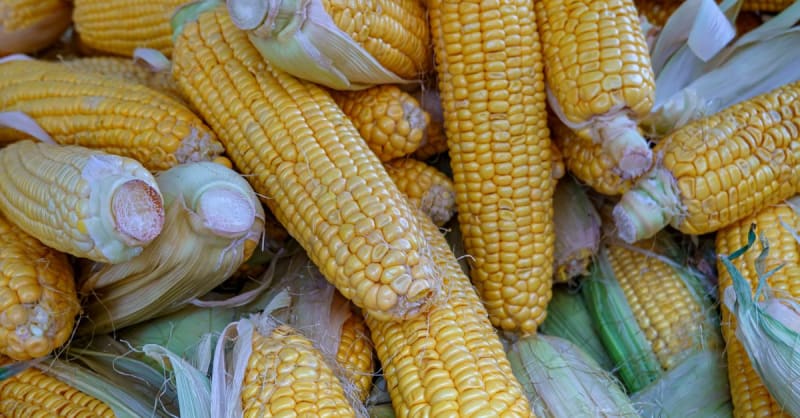
Gluten comes from wheat, barley, and rye. Cornbread is none of those things. The main ingredient in traditional Cornbread recipes is cornmeal, which is naturally gluten free and structurally different from wheat-based flours. Corn does not contain the gluten proteins that trigger reactions in people with celiac disease, so, on a basic level, is Cornbread gluten free?
If it’s just cornmeal, baking powder, eggs, and milk, the answer is yes.
However, the story gets more complicated when you look at processed mixes or restaurant versions. Many popular Cornbread products blend in wheat flour for texture or flavor, which means they do contain gluten. So, does Cornbread contain gluten? Only if wheat (or barley or rye) is added to the recipe; these grains contribute the problematic proteins absent in pure cornmeal.
According to FDA gluten-free labeling rules, any gluten-free Cornbread label must mean the final product tests below 20 ppm of gluten, so certified gluten-free Cornbread is a safe bet for the sensitive.
People searching is Cornbread gluten free should remember: Cornbread and gluten are only a concern when recipes stray from the original, simple ingredients. That said, classic boxed mixes like Jiffy, often found on shelves nationwide, do use wheat flour. That’s where the risk comes in, and why label reading is essential.

How to Eat It Safely
Pair Cornbread with chili or soup for a naturally gluten-free comfort meal during busy weeknights.
- We like to use certified gluten-free Cornbread as a base for stuffing at Thanksgiving and other holiday meals.
- Add slices to lunchboxes with nut butter or jam, kids love the slightly sweet, crumbly texture.
- Try making your own gluten-free Cornbread muffins for meal prep Sundays or grab a trusted mix at Whole Foods and Trader Joe's.
- Bring a batch to BBQs or potlucks; I love being able to share a safe side dish everyone can enjoy.
- Slice and toast leftovers for a quick breakfast or snack, just add a drizzle of honey.
- Explore regional varieties by searching for Cornbread gluten-free options from local Southern bakeries (always call ahead about cross contamination).
Health Benefits
Digestive support: As a gluten-free Cornbread, it’s easy on the gut for those with celiac disease or gluten intolerance, and provides some dietary fiber.
- Energy boost: The high carbohydrate content delivers quick energy, making it a great side for active days.
- Versatile nutrition: Cornmeal adds B vitamins like folate and thiamine, which support metabolism and brain function.
- Naturally gluten free: Choosing Cornbread gluten free helps support a safe, inclusive diet for people who must avoid wheat, barley, or rye.
- Vegetarian friendly: Most basic Cornbread recipes contain no meat or animal byproducts, fitting a plant-focused diet.
- Low allergen profile: Plain Cornbread has a low risk of containing common allergens other than dairy and eggs.
- Potential heart health benefits: Using whole-grain cornmeal can provide antioxidants and support cardiovascular wellness.
- Fun family food: Homemade Cornbread invites kids and adults alike to participate in gluten-free baking together.
Cross-Contamination Risk
Understanding Cornbread cross contamination means understanding where in the supply chain gluten can enter. Packaged Cornbread mixes and ready-to-eat Cornbread are often produced in the same facilities as wheat-based baked goods or muffin mixes, sharing lines with gluten-containing products dramatically increases the risk, especially if cleaning protocols aren’t strict.
Flavored or seasoned Cornbread, such as jalapeño or honey Cornbread, sometimes uses spice blends or sweeteners that aren’t from dedicated gluten-free sources, introducing another pathway for gluten to sneak in.
At some bakeries or grocery store deli counters, Cornbread sold by the slice may be handled with the same utensils as regular bread, posing a real cross contamination concern.
Restaurants are a wildcard for Cornbread and gluten safety. Even if a menu says “Cornbread,” it’s common for the kitchen to use house mixes that contain wheat, or to bake Cornbread in pans shared with gluten-containing bread. Home kitchens can be a risk if Cornbread is made on the same surfaces or with the same utensils used for wheat flour baking.
For peace of mind, seek out certified gluten-free Cornbread with a clear gluten-free logo, ideally a third-party certification. On labels, look for “certified gluten-free” wording or a dedicated allergen statement like “made in a gluten-free facility” before you buy. More tips and cross contamination info are available from Beyond Celiac.
Bottom Line — Is Cornbread Gluten Free?
For most people managing celiac disease or gluten sensitivity, plain Cornbread is a reliable staple. But Cornbread gluten free status can change quickly depending on the recipe, preparation, or brand. Next time you buy or eat Cornbread, make checking for a certified gluten-free label your top priority.
I promise, with a little practice, you’ll feel more confident and still enjoy all the flavor you love.
Editorial Process
This article was written and reviewed by the Gluveto Editorial Team for factual accuracy, gluten-free safety, and alignment with current FDA labeling guidance.
We reference trusted organisations including the Celiac Disease Foundation and the FDA when evaluating foods and ingredients.
Frequently Asked Questions
Related Foods to Explore

Is Polenta Gluten Free?
Is Polenta gluten free.

Is Sourdough Gluten Free?
Is Sourdough gluten free.

Is Ezekiel Bread Gluten Free?
Is Ezekiel Bread gluten free.

Is Pita Bread Gluten Free?
Is Pita Bread gluten free.

Is Rye Bread Gluten Free?
Is Rye Bread gluten free.