
Is Sourdough Gluten Free? The Full Answer for Celiac Safety

Quick Answer
Is Sourdough Gluten Free?
Is Sourdough gluten free? No, traditional Sourdough almost always contains gluten. While some Sourdough gluten free labels exist, most products made from wheat are unsafe for celiac disease. Look for certified gluten-free Sourdough brands if you need a safe option.
Think of those moments when you’re eyeing a warm, crusty slice at brunch, or debating if you can say yes to your friend’s famous avocado toast. If you’ve just been diagnosed with celiac disease, or told to avoid gluten for health, the question of "is Sourdough gluten free" probably comes up more than you’d like.
It’s not just about cravings, it’s about safety, and that grocery aisle scan for anything that won’t set you back. From what I’ve seen working with gluten-sensitive readers over the years, Sourdough and gluten go hand in hand in people’s minds, thanks to trends around “easier to digest” breads. So is Sourdough safe for a gluten-free diet?
Can you eat Sourdough on a gluten-free diet without risking your health? And for those with celiac disease, is it as risky as rye bread or whole grain? Let’s break down Sourdough and gluten to get you a clear answer you can trust.
Also Read
How to Eat It Safely
Classic sandwiches: Sourdough’s sturdy texture is perfect for grilled cheese or deli sandwiches, but only if you’re not on a gluten-free diet.
- We like to toast Sourdough for breakfast: Spread with nut butter, mashed avocado, or a poached egg, it’s a crowd-pleaser, just double-check the loaf type.
- Sourdough breadcrumbs: Use gluten-free Sourdough crumbs for baked casseroles or crispy toppings. Some specialty brands make these for GF shoppers.
- Try it with soup: A thick slice of gluten-free Sourdough works great for dunking into tomato or minestrone, especially from brands at Whole Foods or Trader Joe's.
- Meal prep tip: Slice and freeze gluten-free Sourdough so you’re always ready for quick lunches without cross contamination worries.
- Buy from reputable brands: Look for gluten-free Sourdough brands at Thrive Market or the allergy-friendly freezer section at your local supermarket.
- I love using certified gluten-free Sourdough for picnic sandwiches, the peace of mind makes the meal even better.
Celiac Disease Safety
The honest celiac answer for Sourdough is a firm no - and understanding why helps you find safer alternatives. Let’s break it down: the safest Sourdough option for people with celiac disease is a certified gluten-free Sourdough from a dedicated gluten-free bakery. These are made in separate facilities using only gluten-free grains, dramatically reducing risk.
Next safest are pre-packaged gluten-free brands that carry the certified gluten-free symbol. Artisanal bakery Sourdough, even if it claims to be gluten-free, comes with more risk unless you verify facility practices. Flavored or restaurant Sourdough is by far the riskiest, shared prep surfaces and cross contamination are hard to avoid.
For those newly diagnosed, remember that celiac disease affects around 3 million Americans, and even a small amount of gluten can trigger damage. I tell my readers to stick to Sourdough gluten-free options that are certified, and I always refer them to the Celiac Disease Foundation for updates on new brands and safe products. The one action that makes the biggest difference?
Seek out only certified gluten-free Sourdough, ideally from a dedicated gluten-free section or store.
Cross-Contamination Risk
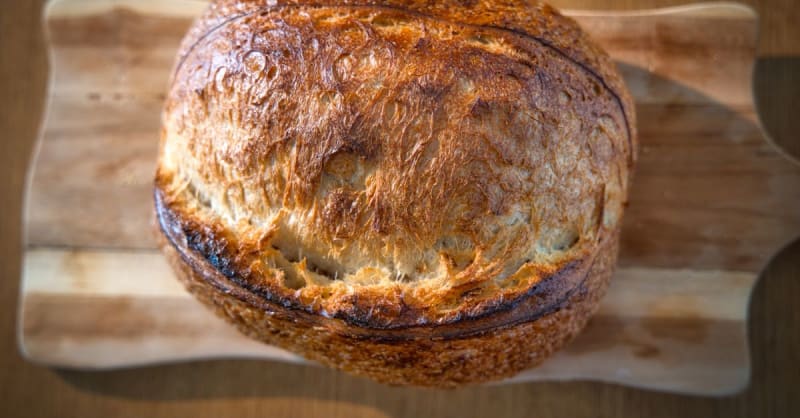
Even naturally gluten-free Sourdough can pick up traces of gluten long before it lands in your pantry. Home kitchens are a real hot spot for cross contamination with Sourdough: think about slicing a gluten-free Sourdough on the same cutting board you just used for regular wheat bread, or popping your loaf into a toaster full of stray crumbs.
I’ve had more than a few clients accidentally react because their wheat-eating family members stored Sourdough and gluten-free Sourdough together, or used the same bread knife. Shared bread baskets at restaurants or even knife sharing during meal prep are other ways cross contamination sneaks in.
If your Sourdough comes from a bakery, the risk is even higher, kneading, proofing, or baking in the same space as wheat Sourdough nearly guarantees some gluten gets mixed in. According to Beyond Celiac, even tiny traces of gluten can cause damage for people with celiac disease.
To keep Sourdough gluten free, use a dedicated gluten-free cutting board and toaster, and buy only "certified gluten-free" Sourdough packaged separately from regular bread. Pre-packaged gluten-free Sourdough from brands specializing in allergy-safe baking is usually safer than grabbing a fresh loaf from a general bakery.
What Is It?
Tearing into a slice of fresh Sourdough is a ritual in many American kitchens, whether it’s paired with soup or turned into toast. This bread has a history stretching back centuries, known for its tangy flavor and chewy crumb. In the US, brands like San Francisco Sourdough, La Brea Bakery, and even many local bakeries keep it front and center.
Nutrition-wise, Sourdough is often praised for its naturally fermented dough, which lends it some probiotics and may make it easier to digest than regular white bread. But we often recommend looking beyond the marketing: despite the fermentation process, Sourdough is almost always made with wheat, barley, or even rye flours, each a no-go for gluten-free eaters.
The only exception is if you spot a loaf specifically marketed as gluten-free Sourdough, which is typically made from alternative grains like rice or sorghum. Most of the Sourdough you’ll see at stores, restaurants, or bakeries will contain gluten.
From a nutrition perspective, Sourdough isn’t just about the carbs, it can be a source of fiber (if whole grain) and B vitamins, but the gluten content is the dealbreaker for celiac disease.
Health Benefits
Supports gut health: The natural fermentation process in Sourdough creates probiotics, which may help your digestive system thrive.
- May improve blood sugar levels: Sourdough’s slow fermentation can lower its glycemic index, making blood sugar spikes less dramatic for some people.
- Easier to digest: For people without celiac disease, Sourdough’s breakdown of certain wheat compounds can make it gentler on the stomach than standard bread.
- Provides B vitamins: Sourdough contains B vitamins like folate and thiamin, which are key for energy metabolism.
- Delivers minerals: This bread can also be a source of iron, selenium, and zinc, depending on the flour used.
- Boosts flavor without extra additives: Sourdough’s unique tang comes from natural fermentation, not from artificial flavors or sugars.
- Contains dietary fiber: Whole grain Sourdough versions can help support regularity and a healthy gut.
- Not a Sourdough gluten free benefit: Because nearly all Sourdough contains gluten, these advantages only apply if you’re not avoiding gluten for medical reasons.
Is It Naturally Gluten-Free?
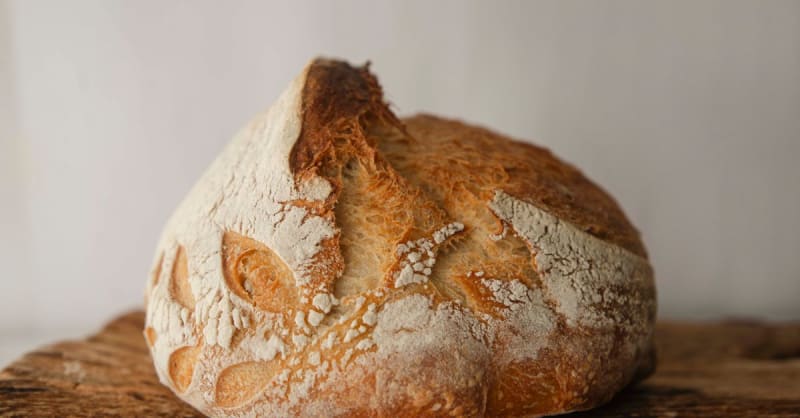
Here's the part most people don't realize: Sourdough is not naturally gluten free. Even with its unique fermentation process, Sourdough is traditionally made by mixing wheat, barley, or rye flour with water and wild yeast, then allowing it to ferment.
These grains all have gluten, and no amount of fermentation fully removes it, the process may slightly break down gluten proteins, but never enough to make Sourdough safe for someone who needs to avoid gluten.
I’ve noticed that a lot of people searching "is Sourdough gluten free" have heard that the bacteria in the starter make it safer for digestion, but that doesn’t mean Sourdough contains no gluten. In my experience, homemade and artisanal loaves especially are not Sourdough gluten free unless you see a clear gluten-free label.
The FDA requires products labeled gluten-free to contain less than 20 parts per million (ppm) of gluten, so unless that certified gluten-free Sourdough label is on the package, it’s not safe. You’ll want to look for a package that specifically says "certified gluten-free Sourdough" before you take a bite. For more on label rules, see the FDA gluten-free labeling rules.
Common Gluten Risks
Sourdough bread is a classic, but it’s also one of the most common places gluten hides. First, wheat-based Sourdough is everywhere, from grocery store sandwich loaves to artisan bakery rounds. These almost always contain gluten unless labeled otherwise.
Sometimes, even when you think you’ve found a gluten-free Sourdough, it can pick up hidden gluten from added wheat starch, malt vinegar, or barley-based enzymes. At restaurants, Sourdough toast or sandwich bread is almost guaranteed to be made from wheat flour, and it’s usually prepared in kitchens that also handle regular bread products.
I’ve seen Sourdough gluten free options pop up in specialty stores and online, but most have to be ordered specifically or found in the dedicated gluten-free section of the store. Always scan the ingredient list for wheat, barley, or rye, and don’t hesitate to ask about preparation methods when dining out, especially if you have celiac disease.
Labels that say “gluten-free Sourdough” offer more peace of mind, but never assume a Sourdough loaf is safe unless you see that phrase.
Who Should Avoid It?
Anyone who’s been diagnosed with celiac disease or who has medically diagnosed gluten sensitivity should avoid Sourdough unless they’re absolutely sure it’s from a certified gluten-free source. Traditional Sourdough gluten free claims don’t hold up unless the loaf is made entirely from non-gluten grains in a controlled environment. Even health-conscious eaters sometimes assume Sourdough is safe thanks to the digestive benefits, but for those with celiac disease, even traces can cause trouble.
- People with celiac disease or non-celiac gluten sensitivity.
- Anyone who reacts to even small amounts of gluten due to autoimmune issues.
- Kids or adults on medically prescribed gluten-free diets.
- Those who can’t verify that a Sourdough loaf is certified gluten-free.
Bottom Line — Is Sourdough Gluten Free?
On a gluten-free diet, Sourdough is off the list. What matters now is knowing the safer swaps. Sourdough gluten free products do exist, but they’re rare and require careful label reading and attention to cross contamination. If you’re unsure about a brand, check out the Celiac Disease Foundation for up-to-date lists and safe recommendations.
From what I’ve seen, a little extra caution means a lot more peace of mind.
Editorial Process
This article was written and reviewed by the Gluveto Editorial Team for factual accuracy, gluten-free safety, and alignment with current FDA labeling guidance.
We reference trusted organisations including the Celiac Disease Foundation and the FDA when evaluating foods and ingredients.


