
Is Basmati Rice Gluten Free?

Quick Answer
Is Basmati Rice Gluten Free?
Yes, plain basmati rice is gluten-free. It's naturally free from gluten, but always check for added seasonings or cross-contact risks.
A weeknight curry, a meal-prep bowl, or a takeout container of fragrant rice can feel like the safest part of dinner, especially if you're managing celiac disease or gluten sensitivity. So, is Basmati Rice safe for those avoiding gluten when it's the plain grain you cook at home?
In most cases, yes, and that’s why it shows up so often in wellness trends and gluten-free meal plans. But once you start looking at flavored packets, restaurant rice, or mixed dishes, the answer gets a little less automatic. Can you eat this rice on a gluten-free diet? Usually, yes, but the details matter more than people expect.
According to feedback from gluten-sensitive readers, this food trips people up more than most.
Also Read
Cross-Contamination Risk
The gluten risk in Basmati Rice isn't about the ingredient - it's about what happens before it reaches your kitchen. Plain rice can pick up cross contamination in shared mills, during bagging, or in facilities that also handle wheat products, and that’s where certified gluten-free options start to matter.
The gluten risk also rises with flavored versions, seasoning blends, coated varieties, and rice mixes that come with extra packets. Cross contamination can also occur in restaurant steam tables, where rice sits near breaded items or saucy dishes, and in bulk bins where scoops move from one ingredient to another.
For more background on shared-kitchen issues, Beyond Celiac has a clear explanation.
If you’re shopping for certified gluten-free Basmati Rice, look for a package that names the certification right on the front. That one step cuts down a lot of guesswork. And if you're eating out, ask whether the rice is cooked in a dedicated pot or handled with a clean spoon, because cross contamination is often the deciding factor. Is this rice gluten free at restaurants?
It can be, but the safest question is whether the kitchen keeps it away from shared utensils and fryers.
Who Should Avoid It?
Plain basmati rice works for most people, but packaged versions deserve extra caution if you’re highly sensitive to gluten or you react to trace cross-contact. If you have celiac disease, the safest approach is to skip anything with seasoning packets, mystery sauces, or unclear shared-facility statements. Readers should be careful with restaurant rice when the kitchen uses shared ladles, steamers, or fryers. That’s where a simple ingredient can stop being simple.
- People who need the lowest-risk option should avoid flavored rice mixes unless the label is fully clear.
- Anyone ordering takeout should ask about shared pots and utensils before assuming the rice is safe.
- Shoppers who want the easiest weeknight routine should stick with plain, single-ingredient basmati and season it at home.
- If a package lists wheat, barley, or unclear spice blends, choose a different product.
What Is It?
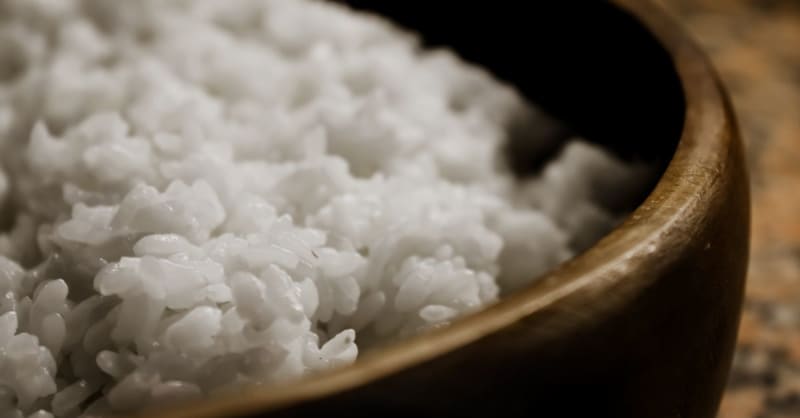
Basmati rice has a long, fragrant grain that cooks up light and separate, which is why it’s a favorite in Indian and Middle Eastern cooking and a smart base for American meal prep. In my experience, people reach for it when they want something more aromatic than standard white rice without giving up convenience.
We often recommend it for bowls, pilaf-style sides, and batch-cooked lunches because it holds texture well in the fridge.
You’ll see it sold under store labels at places like Whole Foods, Trader Joe's, and Kroger, plus national brands in the rice aisle. Nutritionally, it’s a low-fat carbohydrate source that can help fuel workouts, long workdays, and busy weeks.
If you’re comparing it with other grains, Is Rice Gluten Free? is a helpful place to start, especially if you’re building a reliable pantry for gluten-free eating.
Celiac Disease Safety
Safe for celiac disease? For plain Basmati Rice, yes. For packaged or restaurant versions, that answer depends on the label. Roughly 1% of the US population lives with celiac disease, so I always think about the small details that can make a big difference for a lot of people.
At American restaurants, basmati rice is often served with curries, grilled meats, stir-fries, or biryani, and the rice itself may be fine while the sauces or seasonings are not. Celiac Disease Foundation has helpful guidance for spotting hidden gluten in mixed dishes.
When you order, ask whether the rice is plain, whether any seasoning packet was added, and whether it’s cooked in the same pot as pasta or breaded items. Also inquire if the kitchen uses shared ladles or shared steamers, because those are easy places for gluten exposure to sneak in. Can people with celiac disease eat this rice?
Yes, as long as the restaurant can confirm plain prep and low cross-contact. The one action that makes the biggest difference is choosing a certified gluten-free product at home, then keeping that same habit when you shop.
How to Eat It Safely
Meal prep Sundays: Cook a big batch of basmati rice and portion it into containers with roasted vegetables and chicken or chickpeas. It keeps lunches simple all week and gives you a dependable base you can season different ways.
- Weeknight dinners: Use basmati rice under curry, salmon, or tofu for a fast dinner that still feels complete. I love how one pot of rice can make three different dinners feel intentional instead of repetitive.
- Lunchboxes: Pack cooled rice with cucumber, herbs, and a protein for a cold grain bowl that holds up well by noon. If you’re feeding kids or adults who need predictable ingredients, plain basmati is easy to trust.
- Thanksgiving sides: Swap in basmati for a pilaf with herbs, dried fruit, and toasted nuts when you want a gluten-free side that doesn’t feel like an afterthought. The texture stays light, which helps on a heavy holiday plate.
- Backyard BBQs: Serve rice bowls with grilled chicken, corn, and salsa instead of relying on buns or pasta salad. We like to keep one safe starch on the table so everyone has a reliable option.
- Freezer planning: Freeze extra rice in flat bags or small containers so you can reheat it for fried rice, rice bowls, or soup sides. This habit saves a lot of time on nights when you’re tempted to order takeout.
- Flavor building: Top plain basmati rice with lemon, scallions, sesame oil, or cilantro rather than packaged sauces when you want to keep things safe. That gives you variety without inviting hidden gluten into the meal.
Common Gluten Risks
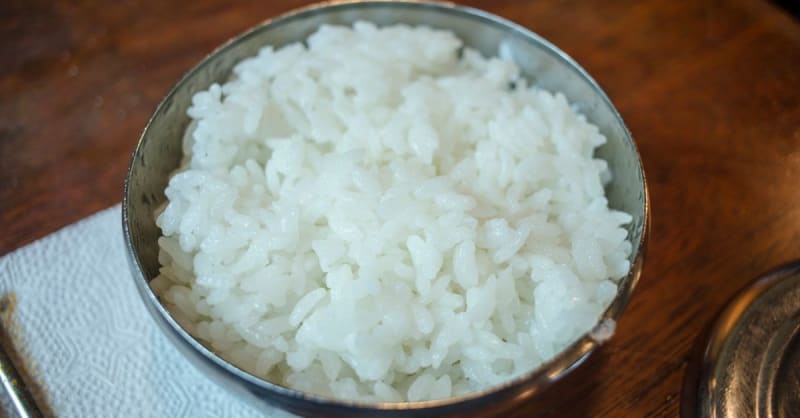
The gluten-free status of Basmati Rice is usually clear, but the packaged versions can hide the real trouble. The biggest risk is not the grain itself; it’s the add-ins. A boxed saffron rice mix, a microwave cup, or a seasoned side dish may include wheat-based spices, barley malt extract, or a shared seasoning packet that changes the whole picture.
Here are the kinds of products I watch most closely: Near East Rice Pilaf and similar boxed rice sides often use seasoning blends that deserve a careful scan. Uncle Ben's or Ben's Original flavored rice products can include sauces or spice packets that are different from plain basmati.
Even restaurant-style biryani kits and frozen meals may rely on seasoning blends, modified food starch, or soy sauce in the flavor base. If you’re comparing brands, plain rice is still the easiest win. Does this rice contain gluten on its own? No, but the label can absolutely introduce it.
Is It Naturally Gluten-Free?
The gluten-free story of Basmati Rice starts before it's ever packaged or processed. Basmati is a rice grain, and its protein structure doesn't contain the gluten proteins found in wheat, barley, or rye, so the grain itself is naturally gluten free.
The risk comes later, during milling, packaging, or cooking, which is why plain rice and seasoned rice can behave very differently on a label. FDA gluten-free labeling rules explains the standard clearly, and to carry a gluten-free label in the US, a product must contain fewer than 20 ppm of gluten per FDA standards.
Is this rice gluten free in the way most shoppers need it to be? Yes, the plain food is. But is it gluten-free once it’s turned into a boxed pilaf or microwave cup? That depends on the ingredients and the facility. According to feedback from gluten-sensitive readers, this food trips people up more than most when a familiar pantry staple gets dressed up with flavor packets.
If you want the safest route, choose plain rice and then season it yourself. That keeps gluten-free Basmati Rice simple, predictable, and easy to repeat all week.
Health Benefits
Energy support: Basmati rice is a solid carbohydrate source, so it can help refill glycogen after a workout or a long shift. That makes it useful for meal preppers who want steady fuel without a lot of prep time.
- Low-fat base: Plain basmati rice is naturally low in fat, which leaves room for olive oil, avocado, nuts, or lean protein on the plate. I like that flexibility for people who want balanced meals without a heavy feel.
- Digestive comfort: Many readers find rice easier to tolerate than richer grains or heavily seasoned sides. In my experience, simple basmati bowls can be a helpful fallback on days when the stomach feels touchy.
- Meal prep friendly: Basmati rice reheats well and keeps a pleasant texture for several days in the fridge. That makes it a reliable anchor for lunchboxes, grain bowls, and quick dinners.
- Versatile pairing: Basmati rice works with vegetables, beans, chicken, tofu, and yogurt-based sauces. We often recommend it for families who need one base that can fit several dietary needs at once.
- Cultural variety: Basmati rice fits Indian and Middle Eastern meals, so it can keep a gluten-free menu from feeling repetitive. I’ve noticed that people stick with gluten-free eating longer when the flavors still feel exciting.
- Simple ingredient list: Plain rice usually has one ingredient, which makes label reading easier for busy shoppers. That simplicity is a real advantage when you’re building a safe pantry for the week.
Bottom Line — Is Basmati Rice Gluten Free?
Label reading is the whole game with Basmati Rice, and now you know exactly how to play it. Plain basmati is a dependable gluten-free staple, but flavored mixes, restaurant prep, and shared equipment are where the real questions start. If you keep your eye on those details, the grain can stay in your weekly rotation without much fuss.
For a concrete starting point, I’d look at Royal or Lundberg Family Farms when you want a plain bag you can trust. And honestly, that kind of pantry confidence makes meal prep feel a lot lighter for me too.
Editorial Process
This article was written and reviewed by the Gluveto Editorial Team for factual accuracy, gluten-free safety, and alignment with current FDA labeling guidance.
We reference trusted organisations including the Celiac Disease Foundation and the FDA when evaluating foods and ingredients.


