
Is White Rice Gluten Free? What You Need to Know

Quick Answer
Is White Rice Gluten Free?
Is White Rice gluten free? Yes, plain White Rice is naturally gluten free and safe for most gluten-free diets. Still, not every White Rice gluten free label guarantees safety if cross contamination is a concern. Look for certified gluten-free White Rice for the highest peace of mind.
Gluten-free labels can be surprisingly confusing, especially when you’re starting out. Is White Rice gluten free, or do you need to worry about hidden wheat? Let’s clear that up right here.
From what I’ve seen working with gluten-sensitive readers over the years, White Rice is one of the most common foods people ask about after going gluten free for celiac disease or wellness reasons. And the short answer is reassuring, White Rice is naturally gluten-free. But is White Rice safe for a gluten-free diet in every form?
And is White Rice safe for celiacs who are especially sensitive? We’ll walk through what you need to know about White Rice and gluten, how to avoid the real risks, and how to shop and eat with confidence.
Also Read
Celiac Disease Safety
Let's cut straight to it: plain White Rice is celiac-safe. Processed White Rice requires more scrutiny. If you’re walking through the rice aisle at stores like Whole Foods or Kroger, you’ll notice dozens of options, long grain, jasmine, basmati, and more.
Plain bagged or boxed White Rice is a reliable pick for those with celiac disease, since the risk of gluten is low and the ingredient list is short. Flavored, ready-to-heat, or mixed rice packs are where you need to slow down: those often bring in seasonings or mixes produced on shared equipment.
Celiac disease is more common than most people realize, affecting about 1 in 100 Americans, so brands have started to label more clearly. To keep White Rice safe for celiac disease, I recommend scanning for "certified gluten-free" or "processed in a dedicated gluten-free facility" labels. Brands like Lundberg and Lotus Foods have clear certified gluten-free White Rice options.
Before you buy at a store or order in a restaurant, ask: "Do you know if this rice was prepared or packaged away from wheat or barley grains?" The Celiac Disease Foundation has more tips for finding celiac-safe products.
What Is It?
At nearly every dinner table in America, White Rice appears as a side dish, a casserole base, or the heart of a comforting bowl of chicken soup. As a staple grain, it’s been cultivated for thousands of years and is found in cuisines from Asia to the American South.
In grocery stores, you’ll find well-known brands like Uncle Ben’s, Lundberg, and store brands, along with specialty varieties for sushi or quick-cook blends. Nutrition-wise, White Rice is low in fat, easy to digest, and provides a reliable source of carbohydrates. We often recommend it to people needing gentle foods after a new celiac disease diagnosis.
It’s worth knowing that although rice has many varieties, White Rice stands out for its versatility and naturally absent gluten proteins, making it a foundational food for many gluten-free diets.
Cross-Contamination Risk
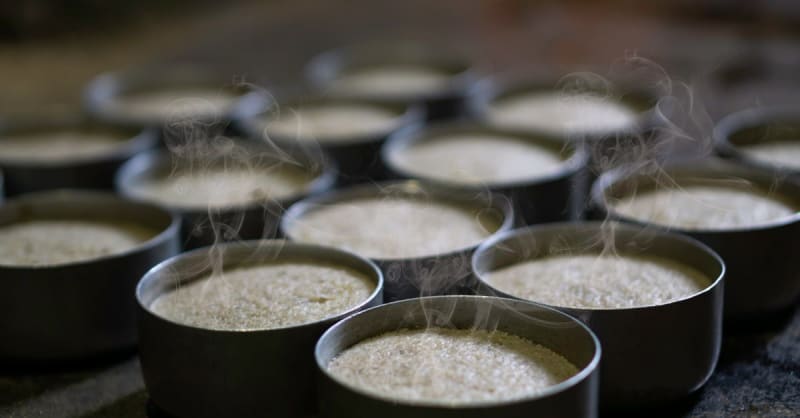
Plain White Rice is gluten free - but cross contamination during processing, at the store, or in your kitchen is a separate question. Packaged or flavored rice is where contamination becomes real. Some White Rice is processed in facilities that also handle wheat pasta or barley-based soups, so traces of gluten can sneak in.
Seasoned mixes, like Spanish rice or boxed risottos, often have seasoning packets with gluten. Bulk bins at natural grocery stores are another risk zone: scoops and bins may be shared with wheat, leading to cross contamination that’s invisible on the shelf. At home, cooking rice in the same water or pot used for pasta can contaminate an otherwise safe food.
Restaurants are notorious for using shared fryers or prepping White Rice in pots just rinsed of couscous. Cross contamination is a leading reason I tell my readers to check not just the ingredient list, but also for a certified gluten-free White Rice logo or "Processed in a gluten-free facility" note. The Beyond Celiac site explains this risk well.
For best results, look for the official gluten-free certification stamp and avoid bulk bins or unsealed repackaged rice.
Is It Naturally Gluten-Free?
The reason White Rice doesn't contain gluten isn't complicated - it simply isn't made from the grains that do. Wheat, barley, and rye are the main gluten-containing grains in the American diet, and the specific proteins in those grains (gliadin and glutenin) are what people with celiac disease react to.
In contrast, White Rice is a different species entirely, and its proteins don’t trigger the same immune response. So, does White Rice contain gluten? No, it doesn’t, its protein structure is completely separate from the problem proteins in wheat or barley.
Gluten-free White Rice can provide energy and comfort without triggering issues for most people with gluten sensitivity or celiac disease. Still, the question "is White Rice gluten free" comes up so often because of concerns about how it’s processed, stored, or served, contamination is the real wildcard.
FDA labeling law sets the gluten-free bar at under 20 ppm, a standard established to protect people with celiac disease. When you buy certified gluten-free White Rice, you’re getting an extra layer of assurance. On the flip side, wild rice blends or processed rice mixes can sneak in gluten-containing grains, so they’re a riskier pick.
Who Should Avoid It?
Most people don’t need to avoid White Rice on a gluten-free diet, but there are some exceptions. Anyone with a rare rice protein allergy, or those following a strict low-carb or ketogenic plan, may need to limit or skip it. And if you have ongoing concerns about arsenic exposure from rice (a separate issue from gluten), rotating with other gluten-free grains like quinoa or millet can help diversify your diet. For the vast majority with celiac disease or gluten sensitivity, White Rice gluten free safety is not in question, just stick to the plain, uncontaminated forms.
- People with a rice allergy (rare but possible)
- Those on very low-carb or ketogenic diets
- Individuals specifically advised by their physician to limit all rice due to arsenic concerns
- Anyone who cannot verify ingredient safety or kitchen practices in a restaurant or shared home kitchen
Common Gluten Risks
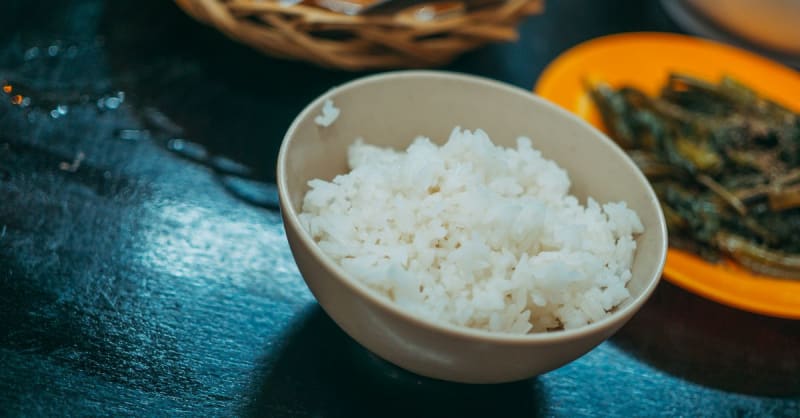
Not all White Rice gluten free products are created equal, risk comes down to how it’s flavored, processed, or packaged. Take microwaveable rice pouches: some include seasonings or sauces with wheat-based soy sauce. Sushi rice is another example; it can sometimes be seasoned with rice vinegar containing barley malt.
Certain packaged rice mixes (think pilaf blends) might use wheat starch or even add gluten as a thickener. In my experience, even rice cakes can be made in facilities that also process wheat, so they’re worth double-checking.
If you’re buying White Rice gluten-free options at a restaurant, ask if the rice was prepared in its own pot, shared equipment with wheat-based foods can create risk. For safety, scan the label for ingredients like wheat starch, malt, or modified food starch, and don’t hesitate to ask restaurant staff about kitchen protocols.
How to Eat It Safely
Cook a big batch of gluten-free White Rice at the start of the week to use in lunches, weeknight dinners, and leftover fried rice.
- We like to use White Rice as a side for stir-fry or grilled chicken when planning meals that everyone, gluten-free or not, can enjoy.
- At summer BBQs, bring a rice salad tossed with herbs and lemon for a naturally gluten-free, crowd-friendly option.
- I love picking up store-brand bagged rice at Target and Walmart, both offer basic varieties that are affordable and easy to prepare.
- For lunchboxes, rice cakes labeled gluten-free are a crunchy, packable snack (but check for certified gluten-free labels to avoid contamination).
- Sushi night at home? Use plain, unseasoned White Rice or a certified gluten-free sushi rice brand from Whole Foods.
- If you’re shopping for White Rice gluten-free options, look for brands like Lundberg or Lotus Foods, which have trustworthy certifications.
Health Benefits
Easy Digestion: White Rice is gentle on the gut and low in fiber, so it’s often recommended for people recovering from celiac disease or stomach upset.
- Quick Energy Source: Each serving provides around 45 grams of carbohydrates, making it a great option before workouts or when you need a fast energy boost.
- Allergen Friendly: As a gluten-free White Rice, it’s naturally free from wheat, barley, rye, nuts, and soy, so it fits most restricted diets.
- Low FODMAP: White Rice is a low-FODMAP food, so it’s suitable for people managing irritable bowel syndrome or similar digestive issues.
- Versatility: This grain adapts to stir-fries, casseroles, soups, and desserts, so you’re never short on gluten-free meal options.
- Budget Friendly: White Rice is affordable and shelf-stable, making it a reliable choice for gluten-free families on any budget.
- Consistent Nutrition: Unlike some gluten-free grains that vary in nutrient profile, White Rice offers a predictable starch and B vitamin source.
- Safe Staple: For people new to gluten-free eating, White Rice is easy to tolerate and rarely causes food reactions.
Bottom Line — Is White Rice Gluten Free?
Clarity on White Rice gluten status matters - and the answer is genuinely more reassuring than most expect. Plain White Rice is gluten free for almost everyone, including people with celiac disease, and has a very low risk of hidden gluten if you’re careful about how it’s prepared and which products you pick. The single most important thing you can do next time?
Scan the packaging for a certified gluten-free label or ask your server about kitchen practices, I’ve seen this small habit make a huge difference for my readers’ peace of mind.
Editorial Process
This article was written and reviewed by the Gluveto Editorial Team for factual accuracy, gluten-free safety, and alignment with current FDA labeling guidance.
We reference trusted organisations including the Celiac Disease Foundation and the FDA when evaluating foods and ingredients.


