
Is Jasmine Rice Gluten Free?

Quick Answer
Is Jasmine Rice Gluten Free?
Is Jasmine Rice gluten free? Yes, plain jasmine rice is naturally gluten free. The catch is that flavored mixes or shared processing can change that, so check gluten-free Jasmine Rice brands.
Gluten-free labels can feel surprisingly messy, especially when you’re trying to stock a pantry for the week and keep every meal safe. Is Jasmine Rice gluten free? For most shoppers, the answer is yes, but the details matter if you’re living with celiac disease, gluten sensitivity, or just trying to sort clean staples from wellness-trend noise.
I’ve noticed that rice questions often get more complicated once seasoning packets, restaurant prep, and “healthy” convenience foods enter the picture. From what I've seen working with gluten-sensitive readers, this food trips people up more than most. So let’s make it simple and practical.
Can you eat Jasmine Rice on a gluten-free diet without second-guessing every bag in the store? In many cases, yes, and can people with celiac disease eat Jasmine Rice safely too? Usually, as long as you stick with plain rice and smart label reading.
Also Read
Who Should Avoid It?
Plain jasmine rice usually works well for most people, but a few groups should be more cautious about the products around it rather than the rice itself. If you’re eating from a shared kitchen, a buffet, or a restaurant with heavy wheat use, the risk is less about the grain and more about how it’s handled. People who react to tiny traces of gluten may want to stick with sealed, single-ingredient rice and avoid bulk bins or mixed rice sides. If a product is labeled as seasoned, instant, or restaurant-style, it deserves a closer look because hidden gluten can show up in the flavoring or the serving environment.
- People with celiac disease who are sensitive to cross contact
- Shoppers buying flavored rice mixes without a full ingredient check
- Anyone relying on restaurant fried rice without asking about soy sauce
- Meal preppers using bulk-bin rice from shared scoops
- Families storing rice near bread crumbs or flour
What Is It?
Jasmine rice shows up in a lot of American kitchens now, not just Thai takeout menus. It’s a long-grain aromatic rice with a soft texture and a light floral scent when cooked, which makes it popular for meal prep bowls, stir-fries, and simple side dishes. In my experience, people often keep it in rotation because it reheats well and pairs with almost anything from grilled chicken to tofu.
You’ll see it from mainstream brands like Mahatma, Lundberg, and 365 by Whole Foods Market, plus store brands at Kroger, Target, and Walmart. I’ve found that shoppers who want a dependable pantry staple usually do best with plain bags rather than flavored rice kits.
Nutritionally, jasmine rice is mostly carbohydrate, low in fat, and easy to portion for steady weeknight meals. It’s also a close cousin to other rice varieties, which is one reason it belongs in the same gluten-free conversation as white rice, brown rice, and basmati rice.
Cross-Contamination Risk
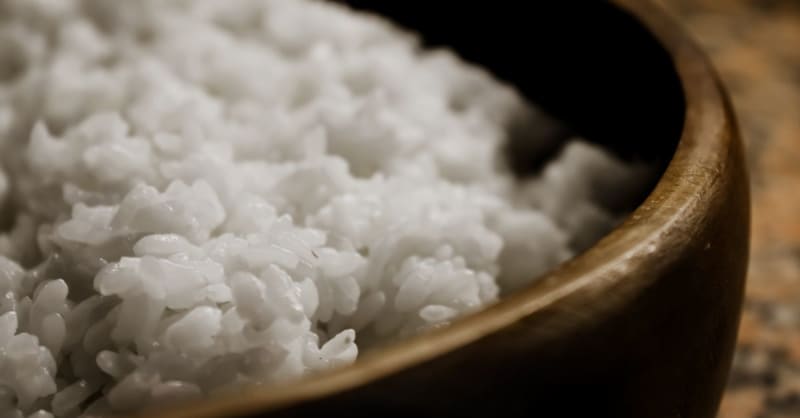
The contamination risk for Jasmine Rice is real, and it varies significantly depending on the form you buy. Plain bags of rice are usually low risk, but cross contamination can happen in facilities that also handle wheat pasta, barley-based grains, or seasoned rice mixes made with gluten-containing flavor packets.
That co-location matters because tiny amounts of dust, shared scoops, or conveyor residue can move from one product line to another.
The biggest facility concerns usually show up in instant rice cups, boxed side dishes, and rice blends sold next to couscous, orzo, and flavored pilafs. I’ve seen shoppers assume all rice products are equal, but the processing setup can be very different from one brand to the next. Good news.
That’s where certified gluten-free Jasmine Rice can really help, because certification gives you a stricter layer of review than a plain ingredient list alone.
Cross contamination can also happen after the bag leaves the plant. Shared measuring cups, bulk bins, and restaurant rice warmers are all common points of cross contamination, especially when servers are scooping near breaded items or flour tortillas. Beyond Celiac has helpful food-safety guidance if you want a second source for checking risk.
For a weeklong meal prep routine, a sealed bag of plain rice is usually the most reliable option in this category.
Celiac Disease Safety
Plain Jasmine Rice earns a pass for celiac disease. The flavored and packaged versions need a closer look. Can people with celiac disease eat Jasmine Rice when it’s plain? Yes, and that’s one reason it’s such a useful pantry staple for breakfast bowls, lunch prep, and simple dinners.
The hidden forms are where people get burned. Jasmine rice can show up in soups, sauces, seasoning blends, frozen meals, and restaurant dishes that use soy sauce or broth bases with gluten. I’ve also seen it tucked into casseroles and stuffed peppers where the rice itself is fine, but the rest of the recipe isn’t. Jasmine Rice celiac safe status depends on the full dish, not just the grain.
An estimated 3 million people in the US have been diagnosed with celiac disease, so this is not a niche label issue. Celiac Disease Foundation is a strong resource if you want more label guidance and product screening tips before you buy in bulk for the week.
If you’re planning meals ahead, plain rice gives you a dependable base, but the sauce, seasoning, and serving environment still deserve attention.
Health Benefits
Energy boost: Jasmine rice is mostly carbohydrate, which makes it a reliable fuel source for busy days and meal prep weeks. If you need a simple base that reheats well, it does that job without much fuss.
- Easy to digest: Many people find plain jasmine rice gentle on the stomach, especially when they’re recovering from a rough day of eating or keeping meals very simple. That’s one reason it shows up in low-fiber, low-irritation meal plans.
- Low fat: Jasmine rice is naturally low in fat, so it fits neatly into lighter meal patterns and heart-conscious menus. It gives you a filling side without adding much saturated fat.
- Versatile base: Gluten-free Jasmine Rice works in bowls, soups, stir-fries, and side dishes, which makes it useful if you’re batch cooking for the week. I like that it can move from lunchboxes to dinner plates without much effort.
- Meal prep friendly: Cooked jasmine rice stores and reheats well, so you can portion it out on Sunday and use it across several meals. That kind of consistency helps people keep gluten-free eating simple.
- Pairing power: Jasmine Rice gluten free meals can take on the flavor of whatever you serve with them, from salmon to tofu to roasted vegetables. That makes it easy to build balanced plates without relying on specialty products.
- Comfort factor: The soft texture and mild aroma make jasmine rice appealing for people who want familiar food after a diagnosis or during a busy stretch. Sometimes the best staple is the one you’ll actually eat all week.
Common Gluten Risks
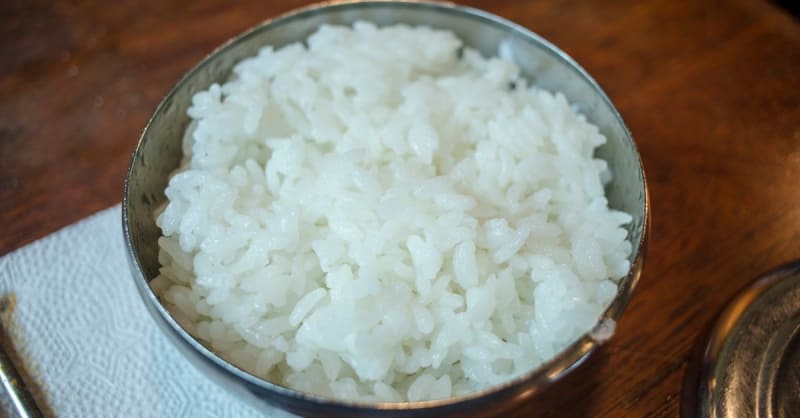
Jasmine Rice gluten free status is usually straightforward, but the risk rises when the rice comes with extras. From what I've seen working with gluten-sensitive readers, this food trips people up more than most once it’s turned into a convenience product.
Think about flavored rice packets like Ben's Original Spanish Style Rice or Near East-style seasoned mixes, where wheat-based ingredients can sneak in through spice blends, bouillon, or malt flavorings. I also watch for ingredient lists that include modified food starch, wheat starch, or barley malt extract in “buttery” or “savory” rice products.
Those aren’t part of plain rice, but they do show up in packaged sides.
Restaurant fried rice is another common issue. Soy sauce, hoisin, and pre-marinated proteins can turn a simple bowl into something that does contain gluten. Does Jasmine Rice have gluten on its own? No, but the surrounding ingredients can change that fast.
If you’re shopping for gluten-free Jasmine Rice brands, the safest move is to choose plain, single-ingredient rice and skip anything with a seasoning packet unless the label clearly supports your needs.
Is It Naturally Gluten-Free?
Understanding why Jasmine Rice is gluten free starts with what it actually is. Rice is a grain, but it doesn’t contain the same gluten-forming proteins found in wheat, barley, and rye.
Those grains rely on protein structures like glutenin and gliadin to create gluten, while rice uses a different storage protein profile altogether, so it behaves very differently in the kitchen and in the body. That difference matters if you’re comparing it to bread flour or pasta, because the gluten network is what gives those foods their stretch and chew.
Is Jasmine Rice gluten free in the same way a plain potato is? Pretty much, as long as it’s plain and not mixed with anything tricky. FDA gluten-free labeling rules explains the federal standard for foods that make a gluten-free claim, and that standard helps shoppers screen packaged products fast.
Here’s the practical part: FDA labeling law sets the gluten-free bar at under 20 ppm, a standard established to protect people with celiac disease. That threshold gives you a useful safety benchmark when you’re choosing packaged gluten-free Jasmine Rice or a rice blend sold as a pantry staple. And if you’re meal prepping, that number can make shopping feel a lot less like guesswork.
How to Eat It Safely
Use plain jasmine rice as the base for weeknight stir-fries with chicken, shrimp, or tofu. It soaks up sauce well, and you can portion leftovers into lunch containers without much effort.
- Build lunchboxes around gluten-free Jasmine Rice with roasted vegetables, beans, and a simple vinaigrette. I’ve found this works well for readers who want a repeatable prep routine that doesn’t get boring by Wednesday.
- Try it under grilled salmon or baked tofu for a fast dinner that feels complete. If you’re cooking for a mixed household, everyone can use the same rice and build their own bowl.
- I love using it for fried-rice style leftovers when I have extra vegetables in the fridge. Just keep the soy sauce gluten free and use a clean pan so the meal stays safe.
- Serve it at Thanksgiving as an easy swap for stuffing when you need a gluten-free side. It’s mild enough to sit next to turkey, green beans, and gravy without stealing the show.
- Pack it into meal prep Sundays with seasoned beans, chicken thighs, or tofu cubes. That way you’ve got a dependable carb ready for the whole week, and you won’t be scrambling at dinner time.
- Bring it to backyard BBQs as a simple side with corn, slaw, or grilled meat. If you’re feeding a crowd, a big bowl of jasmine rice gives gluten-free guests one less thing to worry about.
Bottom Line — Is Jasmine Rice Gluten Free?
Plain Jasmine Rice is safe. That's the short version. Is Jasmine Rice gluten free? Yes, and the main thing to remember is that plain rice is the dependable choice while Jasmine Rice gluten free packaged mixes can need a closer label check. For meal prep, that makes it a smart staple to keep on hand for bowls, sides, and quick dinners.
If you want one more layer of reassurance, check the Celiac Disease Foundation or your store’s gluten-free section before you stock up for the week. I’d rather keep a simple staple in the rotation than overcomplicate dinner, and I think you can too.
Editorial Process
This article was written and reviewed by the Gluveto Editorial Team for factual accuracy, gluten-free safety, and alignment with current FDA labeling guidance.
We reference trusted organisations including the Celiac Disease Foundation and the FDA when evaluating foods and ingredients.


