
Is Boba Gluten Free?

Quick Answer
Is Boba Gluten Free?
Is Boba gluten free? Yes, the plain tea base and tapioca pearls are usually gluten free. Boba gluten free drinks can still pick up gluten from flavored powders, toppings, or shared equipment. Look for certified gluten-free Boba and ask how it’s prepared.
A sweet tea drink with chewy pearls can feel like a small win when you’re trying to make sense of a new gluten-free routine. If you’ve just been diagnosed with celiac disease, or you’re sorting out gluten sensitivity and wellness trends at the same time, you may be wondering whether this popular treat belongs in your cart.
The short answer to is Boba gluten free is usually yes, but the details matter more than the name on the cup. Can you eat Boba on a gluten-free diet if the menu looks simple? Often, yes, but I still want you to know which versions are easiest to trust and which ones deserve a second look.
In my work with newly diagnosed patients, I’ve seen how one overlooked topping can turn a safe order into a stressful one.
Also Read
Who Should Avoid It?
People with severe gluten sensitivity or celiac disease should avoid any Boba product that has unclear ingredients, shared equipment warnings, or dessert-style add-ins that haven't been verified. The drink itself may be fine, but the package or prep method can still make it unsafe. If you’re not sure, choose a simpler tea base instead of a heavily flavored kit.
- Shoppers should be cautious with packets that mention wheat, malt, cookie pieces, or mixed flavor sachets. Those are the products most likely to trip up a Boba gluten free plan.
- Anyone buying from a shop that uses the same scoops for toppings should ask for a fresh utensil and a clean prep area.
- If a label is vague about “natural flavors” and the company won’t confirm allergen controls, I’d skip it.
Celiac Disease Safety
Buying Boba with celiac disease isn't complicated, once you know which label to look for. Start in the tea aisle, the international foods aisle, or the refrigerated drink section, depending on the store.
About 1 in 133 Americans has celiac disease, roughly 1% of the population, so you’re not the only one checking ingredients in a hurry. Celiac Disease Foundation has solid background on how to handle packaged foods, and I send people there when they want a trustworthy refresher.
Here’s how I’d shop it. If you see a simple tea bag, plain tapioca pearls, or a basic milk tea mix with a gluten-free claim, that’s usually the best place to start. If the front of the package is covered in dessert language, or the ingredient list includes wheat, malt, or cookie-style add-ins, I’d put it back.
In the store, I also like to check whether the brand says the product is made in a dedicated gluten-free facility, because that often tells you more than the marketing copy does.
Can you tell me if this Boba is made on shared equipment and tested for gluten?
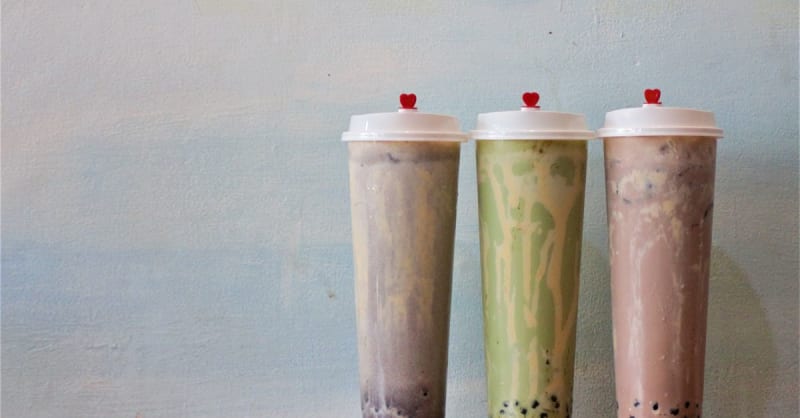
How to Eat It Safely
Weeknight dinner pairing: Try Boba as a dessert-style drink after a simple gluten-free meal like grilled chicken, rice, and vegetables. The sweet tea can feel like a treat without forcing you to plan a whole special dessert.
- Lunchbox idea: If your school or office allows cold drinks, pack a pre-made Boba option with a verified gluten-free label. I like to remind families that a predictable snack can lower stress during a busy afternoon.
- Meal prep Sunday: Make a batch of plain tapioca pearls and chill them for later use, then pair them with tea or milk as needed. That way you can build gluten-free Boba without relying on mystery mixes.
- Backyard BBQs: Bring a sealed gluten-free Boba drink to share, especially if the host is serving buns, marinades, or desserts that may contain gluten. We like to keep one safe option in the cooler so you don't have to guess.
- I love using gluten-free Boba as an after-school treat when the rest of the day has been strictly label-checked. It can make the routine feel more normal, which is often half the battle after diagnosis.
- Coffee shop order: Ask for gluten-free Boba gluten-free options with plain tea, simple milk, and tapioca pearls only. If the shop offers gluten-free Boba brands in packaged form, that's often an easier choice than a custom drink with lots of toppings.
Cross-Contamination Risk
Understanding Boba cross contamination means understanding where in the supply chain gluten can enter. Even when the tea and tapioca pearls are naturally gluten free, cross contamination can happen in flavored versions, mix-in stations, and packaged kits that are made on shared equipment.
I’ve seen this most often with powders, syrups, and topping cups that travel through large manufacturing lines before they ever reach the shelf.
A flavored packet can be the weak spot. For example, a cookies-and-cream mix, a taro powder blend, or a seasonal spice packet may be processed alongside wheat-containing ingredients. The same goes for restaurant-style kits that include separate add-ins, because one scoop, one scoop spoon, or one shared shaker can create cross contamination in a hurry.
Beyond Celiac has helpful education on this kind of issue, especially for people who are still building confidence around packaged foods, and you can find it at Beyond Celiac.
If you’re buying at the store, I’d look for a clear gluten-free claim and, even better, a certified gluten-free logo. For Boba and gluten, the two label tips I trust most are the words “gluten free” on the front and a certification mark from a recognized third party. Those two clues are often the fastest way to sort safer Boba gluten free options from the ones that need more digging.
Common Gluten Risks
Boba is low risk in its plain form, but the packaged drink mix or topping bag is where gluten can sneak in. I’ve seen the biggest issues in flavored powders, dessert toppings, and instant kits that are built to taste like cookies or cereal.
A few real-world examples make this clearer. A caramel or brown sugar kit from a specialty tea brand may be fine, while a cookies-and-cream style powder can include wheat ingredients or be processed on shared lines. A product like Jell-O pudding mix used as a topping idea at home can also confuse shoppers if they’re repurposing it without checking the label.
And some restaurant-style boba kits include separate flavor sachets that may list malt flavoring, wheat starch, or “natural flavors” that need a closer look.
I've noticed that the products with the fanciest names are often the ones that need the most attention. If you’re choosing gluten-free Boba brands, read the full ingredient panel and the allergen statement, because does Boba contain gluten is really a question about the specific package in your hand.
If the label mentions wheat, barley malt, or a shared facility warning that concerns you, put it back and choose a simpler version.
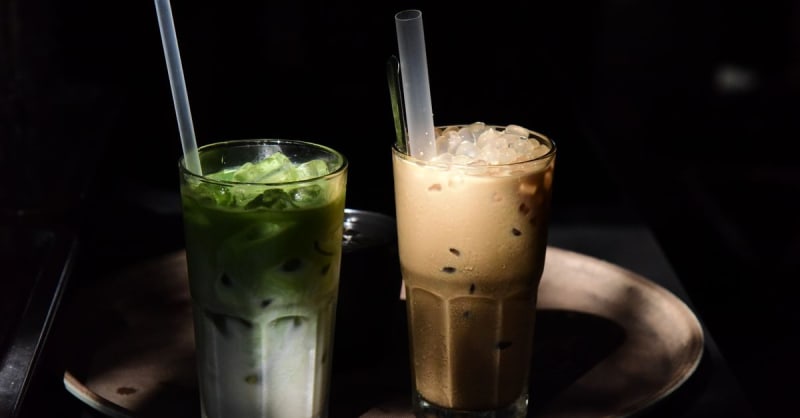
Health Benefits
Hydration support: Boba made with tea and water can contribute to fluid intake, especially if you're choosing it instead of a soda. The drink isn't a replacement for plain water, but it can still help you stay on track during a busy day.
- Quick energy: The carbohydrate in tapioca pearls and sweetened tea can provide a fast source of fuel. That can be useful if you're heading into a long afternoon and need something more substantial than plain tea.
- Low gluten concern: Plain Boba is naturally a good fit for gluten-free eating because tapioca pearls don't contain wheat gluten. That makes it easier to work into a celiac-safe routine when the ingredients are simple.
- Flexible dairy-free option: Many Boba shops can make drinks with oat-free plant milks like almond or soy. That helps people who are avoiding both gluten and dairy find a drink that still feels fun.
- Portion control: A standard serving can be easier to fit into a snack plan than a bakery dessert. If you choose less sugar and fewer toppings, the drink can stay lighter than many café treats.
- Simple ingredient base: The best gluten-free Boba options usually have a short ingredient list. I've found that shorter labels are often easier for newly diagnosed shoppers to trust and recheck later.
- Occasional treat value: Boba can help make a gluten-free diet feel less restrictive. That matters for long-term adherence, because food should still feel enjoyable.
Is It Naturally Gluten-Free?
For anyone scanning labels and wondering whether Boba belongs on a gluten-free shelf - it does. Compared with wheat, barley, and rye, the key difference is the protein structure: those grains contain gluten-forming proteins, while tapioca pearls are made from cassava starch and don't have that gluten network at all.
I've reviewed dozens of labels on this, and here's what I've found. The safest plain versions are usually the least complicated ones, especially when you’re looking at simple tea with tapioca pearls rather than dessert-style add-ins.
To carry a gluten-free label in the US, a product must contain fewer than 20 ppm of gluten per FDA standards, and you can read more about that at FDA gluten-free labeling rules.
That said, not every cup is equally simple. A basic milk tea or fruit tea can stay gluten-free, but a cookie crumble topping or a malted flavor packet changes the risk fast. If you’re shopping for Boba gluten free options, I’d look first at the ingredient list and then at the prep method.
Boba and gluten don’t naturally go together, but the drink can pick up gluten through add-ins, which is why the version matters more than the trend.
What Is It?
In American kitchens and cafes, boba usually shows up as bubble tea, a sweet drink built from tea, milk or plant milk, sweetener, and chewy tapioca pearls. It started as a Taiwanese street drink, but now you’ll see it everywhere from mall kiosks to independent tea shops and even shelf-stable kits at grocery stores.
I’ve noticed that many shoppers assume the pearls are the only thing to worry about, but the drink base matters just as much.
The core ingredients are simple, and that’s part of why people on gluten-free diets ask about it so often. Tapioca comes from cassava root, not wheat, barley, or rye, so it fits well with celiac-safe eating when it’s prepared plainly. We often recommend checking the full ingredient list anyway, because modern boba products can include syrups, powders, and flavor blends that change the picture.
Nutritionally, boba is usually more of a treat than a staple. It can provide quick energy from carbohydrate and added sugar, and some versions offer a little calcium or protein if they’re made with milk. But the biggest nutrition question for many readers is still, is Boba gluten free in the version they’re actually buying?
Bottom Line — Is Boba Gluten Free?
Next time you're in the grocery aisle facing a Boba label, you'll know exactly what to look for. The big takeaway is that is Boba gluten free usually comes down to the add-ins, not the tapioca pearls themselves.
If you want the safest path, choose the simplest Boba gluten free option you can find, then verify the ingredient list and allergen statement before it goes in your cart. And if you’re ordering out, ask one clear question about shared tools and flavor packets before you buy. I do that myself when a drink looks promising but the label feels fuzzy.
Editorial Process
This article was written and reviewed by the Gluveto Editorial Team for factual accuracy, gluten-free safety, and alignment with current FDA labeling guidance.
We reference trusted organisations including the Celiac Disease Foundation and the FDA when evaluating foods and ingredients.


