
Is Bulgur Gluten Free? What Changes After Processing

Quick Answer
Is Bulgur Gluten Free?
Is Bulgur gluten free? No, bulgur is made from wheat and contains gluten. Bulgur gluten free products aren’t the same thing as plain bulgur, so people with celiac disease should avoid it. For safer swaps, look for certified gluten-free Bulgur alternatives.
A new gluten-free diagnosis can make even familiar foods feel risky, and that stress is real. If you’re sorting through celiac disease, gluten sensitivity, and all the wellness chatter around grains, you’re not overthinking it. Is Bulgur gluten free? No, and that matters because it shows up in meals that look harmless at first glance.
Can you eat Bulgur on a gluten-free diet if it’s tucked into a salad or side dish? I’d still say no, especially if you’re asking whether can people with celiac disease eat Bulgur without getting sick. We’ve tested and researched this category extensively over the years, and bulgur is one of those foods that rewards a careful label read every single time.
Also Read
Health Benefits
Digestive support: Bulgur is high in fiber, which can help keep bowel movements more regular and meals more filling. That makes it a common pick in high-fiber eating patterns, even though it’s not gluten free.
- Satiety support: The fiber and protein in bulgur can help you feel satisfied after a meal, which may make it easier to avoid extra snacking. I’ve seen that matter most in lunch bowls and grain salads.
- Magnesium boost: Bulgur provides magnesium, a mineral involved in muscle and nerve function. It’s not a mega-dose food, but it does contribute to overall intake.
- B Vitamin support: Bulgur offers vitamin B6, which helps the body use protein and supports normal brain function. That’s one reason it fits well in balanced grain-based meals.
- Weeknight convenience: Because it cooks fairly fast, bulgur can be easier to use than some other whole grains. Busy cooks often like that it works in a 20-minute dinner.
- Mediterranean fit: Bulgur is a staple in Mediterranean and Middle Eastern eating patterns, especially in salads and pilafs. That gives it a strong culinary role, even though it isn’t safe for gluten-free diets.
- Budget-friendly bulk: Bulgur is often inexpensive compared with specialty gluten-free grains. For households without gluten restrictions, that can make it a practical pantry staple.
How to Eat It Safely
Weeknight dinners: Use bulgur in a quick pilaf with onions, herbs, and olive oil when everyone at the table eats gluten. It pairs well with chicken, roasted vegetables, or chickpeas.
- Lunchboxes: Bulgur works nicely in grain bowls because it keeps its texture after chilling. If you need a gluten-free version, swap in quinoa or rice instead.
- Thanksgiving sides: Try bulgur in a herbed stuffing-style side if your household doesn’t need gluten-free food. For a safer holiday spread, make a separate gluten-free pan with rice or certified gluten-free grains.
- Meal prep Sundays: Cook a big batch and portion it for salads, wraps, and bowls. I love using leftovers this way because it cuts weekday decision fatigue.
- Backyard BBQs: Serve bulgur salad as a chilled side with grilled vegetables and lemon vinaigrette. It holds up better than some delicate greens in hot weather.
- Mediterranean dinners: We like to use bulgur in tabbouleh when the menu is built around gluten-containing foods. If you’re cooking for mixed needs, keep a second bowl of quinoa tabbouleh on the side.
- Simple swaps: Use gluten-free Bulgur alternatives like quinoa, millet, or brown rice when you want the same kind of hearty base. That keeps the meal familiar without the gluten hit.
Common Gluten Risks
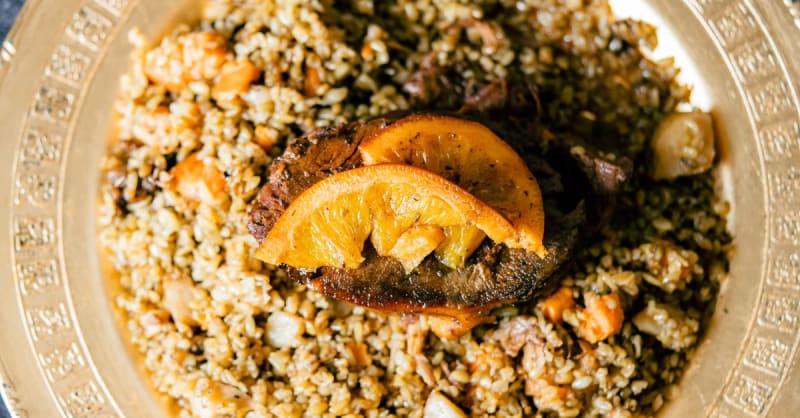
Bulgur carries a clear gluten risk because the grain itself contains wheat gluten, and the bigger problem is how it shows up in mixed dishes. A box of Near East tabbouleh-style grain mixes, a deli-style grain salad, or a restaurant pilaf can all include bulgur without shouting it on the front label. Does Bulgur contain gluten?
Yes, and that means the risk is baked in before you even get to seasoning packets or sauces.
The real label traps are often the extras. A pre-seasoned rice and grain mix from a brand like Knorr might include bulgur in the blend, and a soup mix can hide it under a generic grain component. I’ve also seen restaurant menu items where bulgur is folded into stuffed peppers, grain bowls, or cold salads, then listed only as a salad base.
If you’re shopping for Bulgur gluten free options, remember that the issue isn’t just the grain name, it’s the whole product formula. Ask for the ingredient list, or skip anything that doesn’t name every grain clearly.
What Is It?
In American kitchens, bulgur usually shows up in tabbouleh, pilaf, grain bowls, and make-ahead salads that feel a little lighter than rice but still filling. It’s made from cracked wheat that’s been parboiled, dried, and then ground into different sizes, so it cooks faster than many other whole grains.
That processing step is part of why people sometimes assume it’s a separate grain, but it still comes from wheat. I’ve found that confusion comes up a lot when people are trying to swap in more fiber without giving up familiar textures.
You’ll see bulgur in Mediterranean and Middle Eastern recipes, and it’s also popular in meal prep because it holds up well in the fridge. In the US, brands like Bob’s Red Mill and Arrowhead Mills have helped put it on more home cooks’ radar.
Nutritionally, it brings fiber, some protein, and useful amounts of magnesium and vitamin B6, which is why it has a solid reputation in balanced meals. But nutrition doesn’t change the gluten question.
Who Should Avoid It?
Anyone with celiac disease should skip bulgur, and people with wheat allergy should avoid it too. If gluten sensitivity is part of your story, bulgur is still a bad bet because it’s made from wheat and doesn’t belong in a gluten-free plan. The tricky part is that it can hide inside mixed dishes, so a meal that looks safe may not be. If you’re eating out, ask about soups, grain bowls, pilafs, and stuffing-style sides before you order. I’ve seen plenty of people feel better just by getting more specific with those questions.
- Individuals with celiac disease
- People with wheat allergy
- Anyone following a strict gluten-free diet
- Shoppers choosing packaged grain mixes without a full ingredient list
Celiac Disease Safety
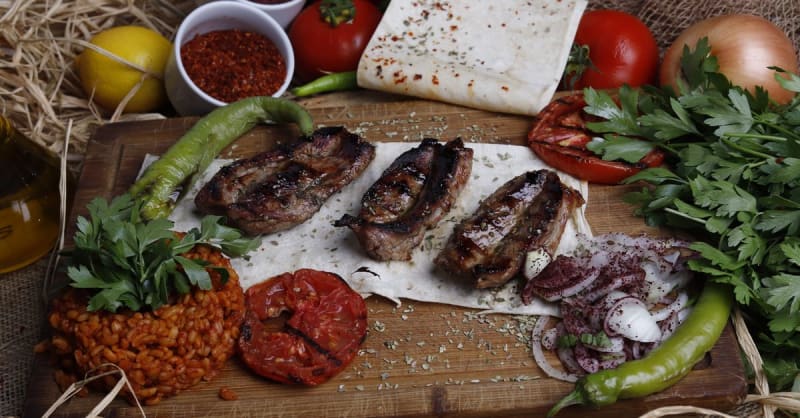
People with celiac disease need to avoid Bulgur completely. Here's the specific reason why. Bulgur is made from wheat, so it contains gluten at the source, and that means even a small serving can trigger symptoms and intestinal damage in someone with celiac disease.
Roughly 1% of the US population lives with celiac disease, and many people don’t realize they’ve been exposed until they start connecting symptoms to foods like this.
The hidden forms are where people get tripped up. Bulgur can show up in soups, sauces, seasoning blends, boxed pilafs, and restaurant dishes like grain bowls or stuffed vegetables, where it may not be obvious from the menu description. That’s why I tell people to look beyond the front label and scan the full ingredient list every time.
If you need a dependable reference for reading labels and spotting hidden gluten, Celiac Disease Foundation is a solid place to start. For celiac disease, Bulgur celiac safe is not the right standard to use.
Is It Naturally Gluten-Free?
What Bulgur is made from tells you everything about its gluten status - and it's not good news. Bulgur starts as wheat, and wheat stores gluten proteins called gliadins and glutenins, which are the same problem proteins found in barley and rye.
Those proteins are what give dough its stretch and structure, and they’re exactly what people with celiac disease and many people with gluten sensitivity need to avoid. If you’re comparing grains, think of bulgur as sitting on the same side as wheat, not alongside FDA gluten-free labeling rules-labeled gluten-free grains like rice or quinoa.
Here’s the practical part: if a packaged food is truly gluten free in the US, it has to meet FDA rules, and to carry a gluten-free label in the US, a product must contain fewer than 20 ppm of gluten per FDA standards. Bulgur can’t qualify on its own because the grain itself is wheat-based.
That’s why you may see gluten-free swaps on shelves, but not gluten-free bulgur as a standard pantry staple. If you’re reading labels in a hurry, that difference saves time and, honestly, a lot of stomach pain.
Cross-Contamination Risk
For Bulgur, the contamination question is less about what it is and more about where it's been. Because it’s a wheat product, it’s often processed in facilities that also handle barley, couscous, farro, and other gluten grains, and that raises cross contamination risk for anyone who reacts to even small amounts.
Cross contamination can happen in shared mills, on shared conveyors, or during packaging runs where dust from wheat products lingers in the line. That’s why a plain-looking grain mix can still be a problem, even if the front of the bag seems simple.
I’ve noticed the risk gets higher with bulk bins, deli counters, and store-made salad bars, where scoops and utensils move from one food to another. We always recommend asking how the item is handled if you’re eating out or buying from a prepared-food case.
We’ve tested and researched this category extensively over the years, and I’d rather see you choose a sealed product with a clear ingredient list than guess at a shared setup. For extra background on shared kitchen risk, Beyond Celiac has helpful practical guidance. A sealed, single-ingredient grain alternative is usually safer than a mixed grain salad.
Bottom Line — Is Bulgur Gluten Free?
Bulgur is one food where the gluten-free label simply doesn't apply - and that's important to know upfront. If you’ve been trying to eat around symptoms, this is one of those grains that’s better left out of the cart and swapped for something clearly safe. Is Bulgur gluten free? No, and Bulgur gluten free products aren’t the same thing as the real grain.
If you want more help sorting safe swaps, check the celiac foundation or your store’s gluten-free section before your next grocery run. I know that extra minute can save you a miserable night later.
Editorial Process
This article was written and reviewed by the Gluveto Editorial Team for factual accuracy, gluten-free safety, and alignment with current FDA labeling guidance.
We reference trusted organisations including the Celiac Disease Foundation and the FDA when evaluating foods and ingredients.


