
Is Corn Meal Gluten Free?

Quick Answer
Is Corn Meal Gluten Free?
Is Corn Meal gluten free? Yes, plain cornmeal is naturally gluten free. Corn Meal and gluten become a concern when it’s mixed with seasonings, wheat flour, or shared equipment. For the safest pick, look for certified gluten-free Corn Meal brands.
A clear answer can feel like a relief when you’re planning a first Thanksgiving after a celiac diagnosis. Is Corn Meal gluten free? In most cases, yes, and that’s good news if you’re hoping to keep cornbread, polenta, or stuffing-style side dishes on the table without second-guessing every bite.
If you’re also wondering is Corn Meal safe for a gluten-free diet, the short version is that plain cornmeal usually is, but mixes and restaurant versions deserve a closer look.
Wellness trends have pushed a lot of people toward corn-based foods, but the label still matters more than the trend. I’ve reviewed dozens of labels on this, and here’s what I’ve found. The difference between a safe pantry staple and a risky holiday side often comes down to what got added after the corn was milled. Can people with celiac disease eat Corn Meal?
Yes, with the right product and a little label-reading confidence.
Also Read
Health Benefits
Digestive support: Cornmeal can add fiber to a gluten-free menu, which may help keep Thanksgiving meals more balanced. That matters when the rest of the plate is heavy on rich sides and dessert.
- Energy source: Corn Meal gluten free options are mostly carbohydrate-based, so they can provide quick fuel for busy holiday cooking days. Pair them with protein to help the meal feel more steady.
- Gluten-free swap: It gives people with celiac disease a familiar texture for cornbread, coating, or polenta without relying on wheat. I’ve seen this make holiday meals feel much more normal.
- Budget-friendly staple: Plain cornmeal is usually affordable and easy to find in mainstream US stores. That makes it a practical pantry item when you’re cooking for a crowd.
- Versatile texture: From soft polenta to crisp skillet bread, gluten-free Corn Meal works in both savory and sweet recipes. We often recommend it for people who miss classic comfort foods.
- Some protein: Cornmeal isn’t a protein powerhouse, but it does contribute a little to the meal. That can be helpful when you’re building a more complete gluten-free plate.
- Naturally simple: Plain cornmeal usually has a short ingredient list, which is a relief when you’re label-fatigued after diagnosis. Fewer ingredients often means fewer surprises.
What Is It?
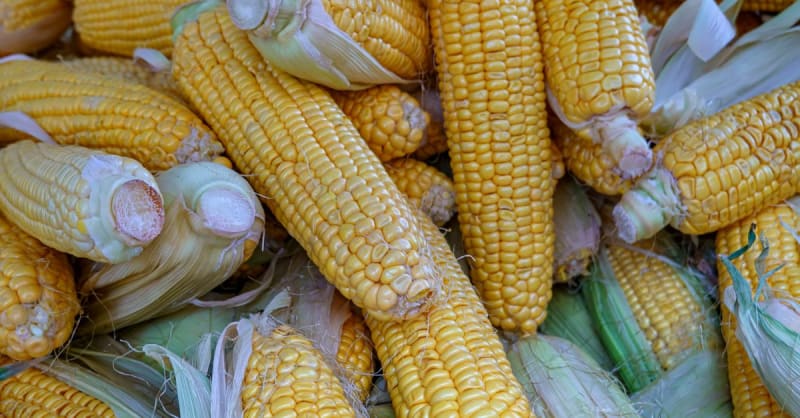
Cornmeal has a long place in American kitchens, especially in Southern cooking, Mexican dishes, and holiday tables where cornbread shows up beside turkey and gravy. It’s made by grinding dried corn into a coarse or fine meal, and you’ll usually see yellow or white versions on store shelves.
In my experience, people often confuse cornmeal with cornstarch, but they’re different ingredients with different textures and uses.
You’ll find familiar US brands like Bob’s Red Mill, Arrowhead Mills, Quaker, and Indian Head in many grocery stores. Some are plain, while others appear in mixes for muffins, breading, or skillet-style recipes. We often recommend checking the front and back of the package, because the front can say simple cornmeal while the ingredient list tells the real story.
Nutritionally, cornmeal brings carbohydrates for energy, some fiber, and a modest amount of protein. It’s also naturally free of wheat, barley, and rye, which makes it a useful base for gluten-free cooking when it’s handled carefully.
Celiac Disease Safety
For anyone following a strict celiac protocol, Corn Meal in its whole, plain form is generally a safe bet. The key question is how it was stored, mixed, and served, especially if you’re ordering it in a restaurant or buying a boxed side dish for Thanksgiving.
About 1 in 133 Americans has celiac disease, roughly 1% of the population, so you’re not being picky when you ask for details, you’re being appropriately careful.
Restaurant cornmeal dishes in the US are often cornbread, polenta, grits-style sides, or fried items like hush puppies. That means you’ll want to ask whether the kitchen uses a dedicated pan, separate fryer, and clean utensils.
The Celiac Disease Foundation Celiac Disease Foundation also encourages checking for hidden gluten in sauces, spice blends, and shared prep areas, and that advice fits cornmeal dishes well.
For grocery shopping, choose a plain bag with a gluten-free claim or a certified product when possible. If you’re standing at a counter or buffet, ask, “Is this cornmeal dish made with any wheat flour or cooked in a shared fryer?” That’s the question I’d use myself when a holiday menu feels uncertain.
Is It Naturally Gluten-Free?
Here's what most people get wrong about Corn Meal and gluten - and why the real risk sits somewhere else. The FDA standard matters here: to carry a gluten-free label in the US, a product must contain fewer than 20 ppm of gluten per FDA standards, which is why FDA gluten-free labeling rules matters for packaged cornmeal and cornmeal-based mixes.
For plain cornmeal, that threshold is usually easy to meet because the ingredient starts out as corn, not a gluten grain.
That said, the label still tells you whether the product stayed simple after milling. I've noticed that shoppers feel safer when they see a familiar grain, but the real check is whether the package includes a gluten-free claim or a long ingredient list. If the bag says just cornmeal, that’s a strong sign, but if it’s a seasoned mix or a baking blend, the answer can change fast.
I always tell people to think in terms of ingredients and handling, not just the food name. Certified gluten-free cornmeal, or even a plain bag with a clear gluten-free statement, is the easiest path for a first holiday meal. So yes, plain cornmeal is gluten free in the way that matters for daily eating and Thanksgiving prep.
Common Gluten Risks
Corn Meal gluten free products are usually low risk, but the trouble starts when cornmeal gets turned into a mix or a flavored side dish. Jiffy Corn Muffin Mix is a classic example, because many cornbread mixes include wheat flour, which makes them unsafe for celiac disease even though the name sounds corn-based.
Another common issue is seasoned breading or skillet mixes that add malt flavoring, modified food starch, or unspecified spice packets.
I've seen shoppers get tripped up by products like cornbread stuffing mixes, chili breading, and boxed hush puppy mix, where the cornmeal is only one part of the formula. Even simple-looking items can hide gluten through shared flavor packets or a “may contain wheat” statement.
I've reviewed dozens of labels on this, and here's what I've found: the safest products are usually the shortest ingredient lists.
If you’re unsure, compare the ingredient list with a plain cornmeal bag and ask whether the product includes wheat flour, barley malt, or shared seasoning blends. That one habit catches most problems before they make it to the cart.

Cross-Contamination Risk
Corn Meal's natural gluten-free status holds up at the source. In the processing plant, that's less guaranteed. Most of the restaurant risk comes from how cornmeal is prepared, not from the grain itself, and that matters a lot on a holiday menu.
Shared fryers, flour-dusted prep surfaces, and grills used for breaded foods can all create cross contamination, especially when cornbread or fried cornmeal items are made alongside wheat-based dishes.
At American restaurants, cornmeal often shows up as cornbread, hush puppies, polenta, or a breading for fried fish and vegetables. That means the same scoop, spoon, or fryer basket may have touched wheat flour, seasoned breading, or soy sauce-based marinades earlier in the shift.
Cross contamination can also happen at seasoning stations where flour dust or crouton crumbs linger. Beyond Celiac Beyond Celiac has good general guidance on asking about prep steps, and that’s exactly the kind of question I’d use here.
For restaurant orders, I’d ask whether the cornbread is baked in a shared pan, whether the fryer is dedicated, and whether the cornmeal was mixed with wheat flour or a packaged seasoning. A plain polenta dish is often the safer restaurant choice than fried cornmeal items.
Who Should Avoid It?
Plain cornmeal is not usually something most people need to avoid, but packaged mixes and restaurant versions can be a problem for anyone with celiac disease if they include wheat flour or cross contact. If you’re very sensitive, the safest move is to skip unlabeled bulk-bin products and anything with a long seasoning list. I’ve seen people feel fine with a plain bag at home and then react to a buffet version that was handled with the same spoon as breading.
- People with celiac disease who are eating at a restaurant should be cautious with fried cornmeal items like hush puppies or breaded catfish.
- Anyone reacting to mixed ingredient products should avoid cornbread mixes that list wheat flour, malt flavoring, or shared spice packets.
- Shoppers who want the safest option should choose a simple, sealed bag with a gluten-free claim or certification.
- If you’re feeding a mixed household, keep the cornmeal scoop separate from flour and bread crumbs.
How to Eat It Safely
Weeknight dinners: Use gluten-free Corn Meal as a base for creamy polenta topped with roasted vegetables, beans, or shredded chicken. It’s an easy way to keep dinner filling without relying on wheat pasta or bread.
- Thanksgiving sides: Bake cornbread from a plain, gluten-free Corn Meal mix and serve it with butter or cranberry sauce. I love how it gives the table a familiar holiday feel without making the meal feel restrictive.
- Lunchboxes: Turn leftover polenta into squares, chill them, and pan-sear them for a savory lunch. We like to pair them with cheese, fruit, or turkey slices for a simple next-day meal.
- Meal prep Sundays: Cook a pot of polenta, let it set, and use it through the week in bowls, casseroles, or breakfast plates. It reheats well and helps stretch groceries a little farther.
- Backyard BBQs: Use gluten-free Corn Meal for cornmeal-crusted chicken or fish, but keep a dedicated bowl for the coating. That small step helps avoid cross contact when the grill is busy.
- Holiday baking: Choose certified gluten-free Corn Meal brands when you’re making stuffing-style muffins or skillet bread for a mixed crowd. It’s one less thing to worry about when the kitchen is full.
Bottom Line — Is Corn Meal Gluten Free?
The takeaway on Corn Meal and gluten is straightforward: plain is safe, processed needs scrutiny. If you’re making Thanksgiving sides at home, a plain bag of Corn Meal gluten free product is usually the easiest path, especially when the ingredient list stays short and the package is sealed.
Restaurant versions need more questions, since shared fryers and mixed batters can change the answer fast. If you want one extra layer of reassurance, check the Celiac Disease Foundation or your store’s gluten-free section before you shop. You’ve got this, and I’d rather help you feel prepared than surprised.
Editorial Process
This article was written and reviewed by the Gluveto Editorial Team for factual accuracy, gluten-free safety, and alignment with current FDA labeling guidance.
We reference trusted organisations including the Celiac Disease Foundation and the FDA when evaluating foods and ingredients.


