
Is Cornmeal Gluten Free?

Quick Answer
Is Cornmeal Gluten Free?
Is Cornmeal gluten free? Yes, plain cornmeal is naturally gluten free. Cornmeal can pick up gluten through processing or restaurant handling. Certified gluten-free cornmeal is the easiest label check for celiac shoppers.
A new gluten-free diagnosis can make even pantry basics feel complicated, especially when you’re trying to keep weeknight dinners normal. That’s true whether you’re managing celiac disease, gluten sensitivity, or just sorting through all the wellness trends that make every grain sound suspicious.
The good news is that cornmeal is one of the simpler foods to sort out, but the label still deserves a close look. In my experience helping people navigate gluten-free eating, the label confusion on this one is real.
If you’ve been asking is Cornmeal safe for a gluten-free diet, the answer is usually yes for plain products, and can people with celiac disease eat Cornmeal is a question worth answering with a few practical details.
Also Read
Health Benefits
Fiber support: Cornmeal brings fiber that can help keep digestion moving and may help you feel satisfied after a meal. I like it as a base for heartier gluten-free sides when someone wants something simple and filling.
- B vitamin boost: Yellow cornmeal can contribute small amounts of B vitamins, which help your body turn food into energy. That matters when you’re building balanced meals without leaning on bread or pasta.
- Vitamin E value: Cornmeal provides vitamin E, an antioxidant nutrient that plays a role in protecting cells. It’s not a mega-dose food, but it does add to your daily intake in a practical way.
- Weeknight flexibility: Cornmeal works well in quick dinners because it thickens, crisps, and bakes easily. We often recommend it to home cooks who want a gluten-free pantry staple that doesn’t need much fuss.
- Vegetarian friendly: Cornmeal fits nicely into vegetarian meals since it adds texture and carbs without relying on meat. It pairs well with beans, greens, and cheese for a more complete plate.
- Budget friendly: Plain cornmeal is usually affordable, which makes it useful for families cooking gluten-free on a budget. A little goes a long way in cornbread, polenta, and skillet dishes.
- Satiety support: The combo of fiber and slow-digesting starch can help you feel steady between meals. That can be helpful if you’re trying to avoid constant snacking after a gluten-free diagnosis.
Is It Naturally Gluten-Free?
Here's what most people get wrong about Cornmeal and gluten - and why the real risk sits somewhere else. The FDA requires products labeled gluten-free to contain less than 20 parts per million (ppm) of gluten, and that standard matters here because plain cornmeal should fit comfortably under it when it’s made and packed cleanly.
For this food specifically, that means the grain itself is not the issue; the question is whether the bag has stayed simple from field to shelf. FDA gluten-free labeling rules gives the federal rule in plain language, which is helpful when you’re comparing brands.
In my experience helping people navigate gluten-free eating, the label confusion on this one is real. I’ve seen shoppers assume every corn product is automatically safe, then get tripped up by mixes or flavored versions. If you’re buying a basic bag, look for a short ingredient list and a clear gluten-free claim.
Cornmeal gluten free products are usually straightforward, and cornmeal contains no gluten when it’s just ground corn. If you want extra reassurance, certified gluten-free cornmeal is the easiest shortcut for busy cooks.
Common Gluten Risks
Cornmeal has a low gluten risk, but the trouble usually comes from what’s mixed in, not the grain itself. That’s why a plain bag is different from a boxed mix or a seasoned coating. I’ve seen plenty of people get burned by the extras.
Jiffy Corn Muffin Mix is a classic example to watch, because it’s not plain cornmeal and it may include wheat flour. Cornbread mixes from store brands can also vary, so a package that looks similar to plain cornmeal may not be safe. Another common issue is flavored or seasoned cornbread mix packets that add wheat-based ingredients or malt flavoring.
If you’re checking Cornmeal and gluten on a label, scan beyond the front claim and look at the full ingredient list. Cornmeal gluten free options are usually the simplest products, not the most heavily dressed-up ones.
Celiac Disease Safety
For anyone following a strict celiac protocol, Cornmeal in its whole, plain form is generally a safe bet. The bigger question is how it’s handled after harvest, especially in restaurants or in mixed products.
Celiac disease is more common than most people realize, affecting about 1 in 100 Americans, so these little label checks really do matter in real life. Celiac Disease Foundation is a good place to compare your food questions with broader celiac guidance.
Can people with celiac disease eat Cornmeal? Yes, if it’s plain, uncontaminated, and ideally certified gluten-free when you want the lowest risk. I’ve noticed that restaurant servings are where people need the most specifics, because cornbread, polenta, and cornmeal-coated fish can all be prepared in ways that add gluten.
Ask whether the dish is made from plain cornmeal, whether any flour is added, and whether shared utensils or fryers are used. For grocery shopping, a good final question is, "Is this cornmeal certified gluten-free?"
Cross-Contamination Risk
Cornmeal's natural gluten-free status holds up at the source. In the processing plant, that's less guaranteed. Here’s the thing: the restaurant side is where I see the most mix-ups, because cornmeal often shows up in foods that share equipment with wheat.
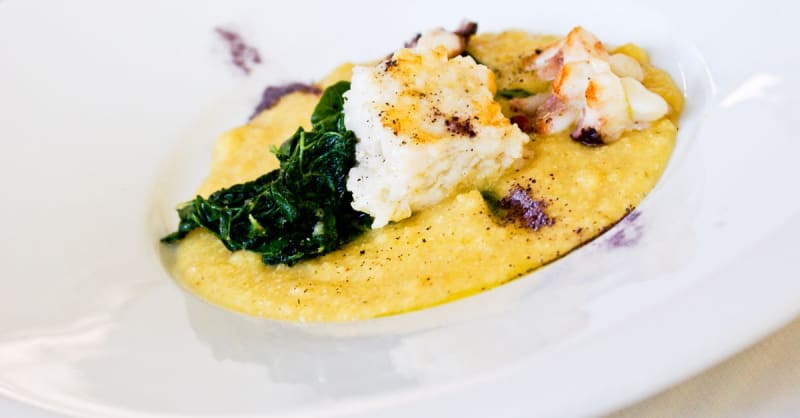
A fried catfish basket might get dredged in flour first, cornbread may sit near wheat rolls, and polenta can be plated next to breaded items on the same grill. That kind of cross contamination is exactly what makes a simple ingredient harder to trust.
Cross contamination can also happen through shared fryers, seasoning stations, or prep tools. At a diner, the same scoop might touch flour and then cornmeal. At a Mexican restaurant, masa-based items are often safer than fried sides, but marinades or spice blends can still carry gluten if soy sauce or flour is used.
I always point people to Beyond Celiac when they want a plain-English reminder that shared surfaces matter as much as ingredients. If you’re eating out, ask how the cornmeal dish is cooked, whether the fryer is shared, and whether cross contamination is possible. A plain sealed bag of yellow cornmeal is still the safer choice than a buffet pan.
What Is It?
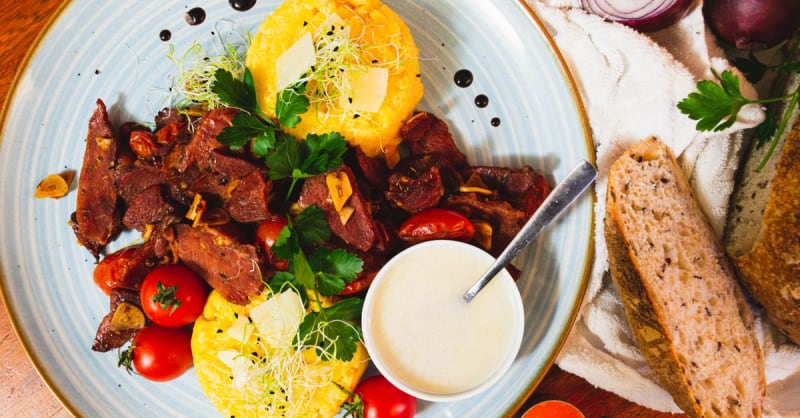
Cornmeal shows up in a lot of American kitchens, even if people don’t think about it much until they need a gluten-free swap. It’s just dried corn that’s ground into a meal with different textures, from fine to coarse. In the U.S., we use it for cornbread, hush puppies, polenta-style sides, breading, and baked casseroles that need a little structure and crunch.
I’ve found that people often already have a use for it in mind before they check the label, which is why the details matter. You’ll see plain yellow cornmeal and white cornmeal in most grocery stores, including familiar names like Bob’s Red Mill, Quaker, and Arrowhead Mills.
Nutritionally, it brings fiber plus some B vitamins and vitamin E, so it’s more than just a filler ingredient. If you’re comparing it with other pantry grains, Is Rice Flour Gluten Free? and Is Quinoa Gluten Free? can help you build a fuller gluten-free swap list.
Who Should Avoid It?
Plain cornmeal is usually fine for most people, but some shoppers still need to be careful. If you have celiac disease, a wheat allergy, or you’re buying for someone who reacts to cross contamination, the plain grain is only part of the story. Restaurant versions, boxed mixes, and seasoned products can bring in gluten through flour, shared fryers, or hidden ingredients. That’s why I tell people to slow down when the package looks convenient but not fully transparent.
- People who should be extra cautious:
- Anyone with celiac disease who is eating out and can’t confirm prep methods.
- Shoppers buying flavored mixes such as cornbread blends with wheat flour.
- Families using shared toasters, fryers, or prep tools at home.
- Anyone who has had a reaction to products labeled only as cornmeal, without a gluten-free claim.
How to Eat It Safely
Cornmeal makes an easy cornbread for weeknight dinners, especially when you want something warm beside chili or soup. A plain bag of gluten-free Cornmeal keeps the recipe simple and predictable.
- Polenta is a great swap for pasta nights, and it works with roasted vegetables, tomato sauce, or shredded chicken. We like to make a bigger batch on meal prep Sundays so leftovers can be sliced and pan-seared later.
- For lunchboxes, try baked cornmeal muffins with eggs, cheese, or fruit on the side. They hold up well and can make a gluten-free lunch feel less repetitive.
- At Thanksgiving, cornmeal can show up in stuffing-style casseroles, spoonbread, or a skillet cornbread side. I love using certified gluten-free Cornmeal here because holiday kitchens get crowded fast.
- Backyard BBQs are a natural fit for cornmeal-coated fish, grilled vegetables, or hush puppies. Just ask about the oil and seasoning if you’re eating out, since the fry station can be a hidden source of gluten.
- On busy nights, mix Cornmeal into a quick topping for baked casseroles or fruit crisps. Gluten-free Cornmeal brands can vary a little in grind, so keep one you trust in the pantry and use it often.
Bottom Line — Is Cornmeal Gluten Free?
The takeaway on Cornmeal and gluten is straightforward: plain is safe, processed needs scrutiny. If you’re cooking at home, a simple bag of cornmeal is usually easy to work into cornbread, polenta, or a gluten-free coating without much stress. If you’re eating out, the kitchen setup matters just as much as the ingredient list.
For the most dependable next step, check the Celiac Disease Foundation, Beyond Celiac, or your store’s gluten-free section before you buy. That little habit makes the whole process feel less guessy, and we all need that sometimes.
Editorial Process
This article was written and reviewed by the Gluveto Editorial Team for factual accuracy, gluten-free safety, and alignment with current FDA labeling guidance.
We reference trusted organisations including the Celiac Disease Foundation and the FDA when evaluating foods and ingredients.


