
Is Falafel Gluten Free?

Quick Answer
Is Falafel Gluten Free?
Is Falafel gluten free? Usually yes, if it’s made from chickpeas or fava beans and not wheat-based fillers. Falafel and gluten can become a problem when mix-ins, coatings, or shared fryers enter the picture. Certified gluten-free Falafel brands are the safest shortcut for celiac shoppers.
Getting a clear answer here can take a lot of stress out of the grocery aisle, especially if you’re newly managing celiac disease or gluten sensitivity. With so many wellness trends pushing plant-based eating, it’s easy to assume every chickpea snack is automatically safe, but that’s not always how packaged foods work.
Can you eat Falafel on a gluten-free diet without second-guessing every label? Usually, yes, but the details matter more than the marketing. I’ve spent years helping people sort through foods like this, and Falafel and gluten is one of those topics where the plain version is usually fine, while the prepared version can surprise you.
After reviewing the research and the labels, I can give you a clearer answer than most articles do.
Also Read
What Is It?
Falafel has a long history in Middle Eastern and Mediterranean cooking, but it’s also become a familiar freezer-aisle staple in American kitchens. You’ll see it tucked into pita sandwiches, grain bowls, salad kits, and weeknight meatless dinners, especially as more shoppers look for plant-based protein that feels filling.
In the US, brands like Trader Joe’s, Whole Foods, Cedar’s, and Afia have helped make it easier to find frozen or refrigerated options, though ingredients still vary a lot by product. I’ve found that people often assume every falafel is the same, but the texture, spices, and binders can change the gluten picture quickly.
Nutritionally, it’s usually a good source of fiber and plant-based protein, which is one reason it shows up so often in vegetarian meal planning.
Celiac Disease Safety
For anyone following a strict celiac protocol, Falafel in its whole, plain form is generally a safe bet. In the grocery store, I’d start in the frozen vegetarian aisle or the refrigerated deli case, then turn the package over and scan the ingredient list for wheat, barley, rye, or vague flour terms.
An estimated 3 million people in the US have been diagnosed with celiac disease, so this kind of label reading is a daily reality for a lot of us. Celiac Disease Foundation If the package says gluten free and the brand has a strong allergen policy, that’s a good sign.
If you’re choosing between a plain chickpea version and a heavily seasoned one, I’d pick the simpler label first. I always recommend making certification the deciding factor when you can, because that one mark often matters more than a long ingredient list.
Is It Naturally Gluten-Free?
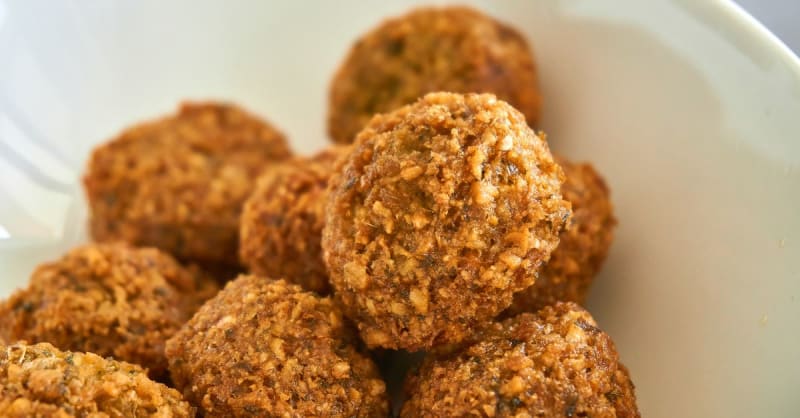
Falafel earns its gluten-free status at the biological level, not just through processing.
The FDA's gluten-free threshold is 20 ppm, the level considered safe for most people with celiac disease, and that matters because plain falafel made from chickpeas or fava beans can fit that standard when the recipe stays simple and the facility keeps gluten out of the mix. FDA gluten-free labeling rules In practice, that means the ingredient list should look like chickpeas, fava beans, herbs, onion, garlic, and spices, not flour-heavy shortcuts or mystery binders.
I’ve noticed that the safest store-bought versions usually make the recipe obvious on the front and back of the package, which helps when you’re scanning quickly. After reviewing the research and the labels, I can give you a clearer answer than most articles do.
The catch is that wheat-based falafel mix is the risky form to watch for next, especially if it’s designed to save prep time.
Common Gluten Risks
Falafel can pick up gluten from the recipe itself, and that’s where shoppers get tripped up. A package of gluten-free Falafel may still include wheat flour, breadcrumbs, or bulgur as a filler, especially in cheaper dry mixes or restaurant-style kits. I’ve also seen spice blends that hide wheat starch or a modified food starch source that isn’t clearly labeled.
Another common problem is flavored or pre-seasoned products, such as chipotle-style frozen falafel or Mediterranean kits that include a separate sauce packet, because the seasoning blend can be the weak link. Even familiar brands can vary by flavor, so a plain version from one line may be safe while a roasted garlic or spinach version is not.
If you’re shopping in the aisle, read the ingredient list first and then look for an allergen statement before you toss it in the cart.
Health Benefits
Protein support: Falafel brings plant-based protein from chickpeas or fava beans, which can help make a meatless meal feel more satisfying. It’s a useful option for vegetarians and anyone trying to build a balanced lunch.
- Fiber boost: The chickpea base gives falafel a solid fiber hit, which supports digestive health and helps meals feel steadier through the afternoon. That can be especially helpful when you’re rebuilding routine after a celiac diagnosis.
- Meal flexibility: Gluten-free Falafel fits easily into bowls, salads, and wraps made with corn tortillas or lettuce cups. We often recommend it to people who want a fast dinner that still feels like real food.
- Budget friendly: Frozen falafel can stretch across several meals, especially when you pair it with rice, vegetables, and sauce. It’s a practical pantry-and-freezer staple for busy weeks.
- Vegan friendly: Falafel works well for people eating dairy-free or fully plant-based. That makes it a nice bridge food when you’re adjusting to multiple dietary needs at once.
- Micronutrient variety: Depending on the recipe, falafel can contribute iron, folate, and magnesium from legumes and herbs. Those nutrients matter when you’re trying to keep gluten-free eating balanced, not just safe.
- Satiety factor: The combo of protein and fiber can help keep hunger in check between meals. In my experience, that makes it easier to stick with a gluten-free plan without feeling deprived.
Cross-Contamination Risk
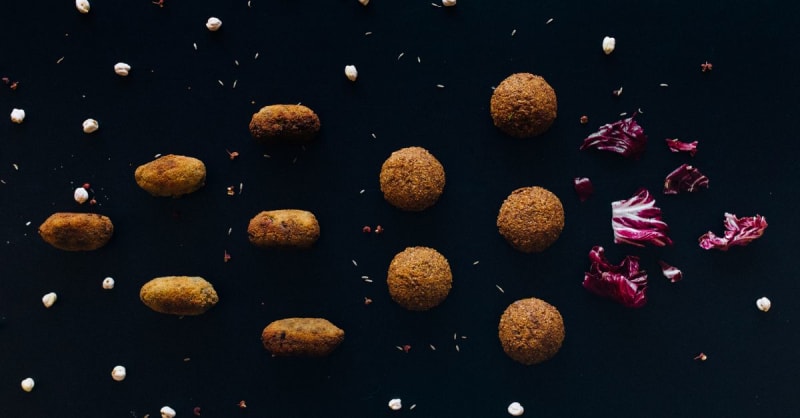
Even naturally gluten-free Falafel can pick up traces of gluten long before it lands in your pantry. The biggest facility risk comes from shared lines with pita chips, breaded appetizers, naan, or seasoned grain products, because the same mixers, conveyors, and fryers can carry flour dust or crumbs into a batch.
In a food category like this, cross contamination is especially sneaky because the base ingredients are usually safe, but the equipment may also handle wheat-filled frozen snacks or breaded vegetable bites. That’s why Beyond Celiac often emphasizes asking about shared fryers and prep surfaces, not just ingredients.
I’ve seen plenty of shoppers miss this step because the package looks wholesome and plant-based. Cross contamination risk is low to moderate for plain packaged falafel, and the best prevention step is choosing a certified gluten-free product or a brand that clearly states gluten-free manufacturing.
Who Should Avoid It?
Gluten-sensitive individuals who react strongly to trace exposure may want to be extra selective with Falafel and gluten-free labeling. Even if the recipe looks simple, shared fryers, bulk prep, or vague seasoning mixes can make a product less comfortable for people who are very sensitive. I’ve had clients who tolerate certified products well but feel off after restaurant versions, so personal history matters here. If you’ve had repeated symptoms from packaged foods, choose the most transparent label you can find and skip anything with unclear binders or “may contain” language.
- People with celiac disease should avoid falafel that isn’t clearly labeled gluten free or that comes from a high-risk restaurant fryer.
- Anyone eating at a Mediterranean counter should ask about shared equipment before ordering.
- Shoppers who see wheat flour, bulgur, or breadcrumbs on the label should put the package back.
- If the brand can’t confirm gluten-free manufacturing, choose a different product.
How to Eat It Safely
Weeknight dinner: Build a falafel bowl with rice, cucumber, tomato, and tahini for a fast meal that doesn’t feel repetitive. If you’re newly gluten free, this is an easy way to keep dinner calm and predictable.
- Lunchbox idea: Pack gluten-free Falafel with hummus, carrots, and a fruit cup for a lunch that holds up well until midday. We like to use sturdy containers so the texture stays better than it would in a soggy sandwich.
- Backyard BBQ: Serve falafel on a platter with grilled vegetables and corn tortillas instead of pita bread. That way, everyone can build their own plate without making your gluten-free meal an afterthought.
- Meal prep Sunday: Bake or air-fry a batch of gluten-free Falafel and portion it into containers with quinoa or roasted potatoes. I love this approach because it takes the pressure off busy weekdays.
- Thanksgiving side dish: Use falafel as a protein-rich side next to roasted carrots, green beans, and cranberry sauce. It’s a good reminder that holiday food can still feel familiar even when you’re skipping gluten.
- Quick snack plate: Pair falafel with tahini, olives, and sliced peppers for a fast afternoon bite. If you’re shopping for gluten-free Falafel brands, frozen options from Trader Joe's, Whole Foods, and Walmart can be a smart place to start.
Bottom Line — Is Falafel Gluten Free?
Shopping for Falafel gets easier once you know exactly what to check. Plain, well-labeled falafel can fit a gluten-free routine, but the label still tells you whether you’re holding a safe choice or a sneaky wheat-based version. If you remember to look for the ingredient list, the gluten-free claim, and the manufacturing details, you’re already ahead of most shoppers.
That little habit makes a big difference when you’re trying to eat safely without turning every meal into a research project. And once you spot the right product, you’ll know something most people don’t, and you can shop with confidence. We’ve all had those first nervous grocery trips, and this is one of those wins that gets easier every time.
Editorial Process
This article was written and reviewed by the Gluveto Editorial Team for factual accuracy, gluten-free safety, and alignment with current FDA labeling guidance.
We reference trusted organisations including the Celiac Disease Foundation and the FDA when evaluating foods and ingredients.


