
Is Mochi Gluten Free? What To Check On The Label

Quick Answer
Is Mochi Gluten Free?
Is Mochi gluten free? Usually yes, but it depends on the filling, flavoring, and how it was made. Mochi gluten free options can still pick up gluten from add-ins or shared equipment. Look for certified gluten-free Mochi when you want the safest choice.
The first time a shopper asks me about mochi, it's usually with one hand on a freezer door and the other holding a phone full of ingredient photos. If you have celiac disease or gluten sensitivity, that moment can feel oddly high stakes, especially when a trendy dessert shows up in wellness posts and snack aisles at the same time. So, is Mochi safe for a gluten-free diet?
In many cases, yes, but the details matter more than the cute packaging suggests. I've answered this question enough times to know exactly where the confusion starts. People see a rice-based treat and assume every version is automatically safe, but can people with celiac disease eat Mochi without a second look? Not always.
The label, the filling, and the manufacturing setup all matter.
Also Read
Celiac Disease Safety
The celiac question with Mochi has a clear answer -- and it's more reassuring than most people expect. Celiac disease affects around 3 million Americans, so this is a very real grocery store decision, not a niche label issue. Picture the freezer aisle: if you see plain mochi from a brand that names gluten-free on the package, that's usually the one to choose.
If the box is vague, or the filling sounds like a cookie, brownie, or pie crust flavor, put it back and keep moving. Celiac Disease Foundation is a good reference if you want a second check on what gluten-free labeling should look like.
In practice, I tell people to shop the frozen dessert section first, then read the ingredient list line by line. Brands like My/Mochi, Bubbies, and Trader Joe's can offer safe options, but only the specific product in your hand matters. If the package says certified gluten-free, that's even better.
If it says made on shared equipment without a gluten-free claim, I would be more cautious, especially if you're newly diagnosed and still healing.
For celiac disease, the riskiest product type is the filled or coated mochi that includes cookie pieces, cake crumbs, or other wheat-based add-ins.
Is It Naturally Gluten-Free?
Ask whether Mochi contains gluten, and the ingredient answer is clear: it doesn't. Rice starch, rice flour, or glutinous rice flour are all naturally gluten free because they come from a grain that doesn't contain the gluten protein structure found in wheat, barley, or rye.
Here's where the real risk starts, though: once you move from plain mochi to fillings, coatings, or flavored versions, the gluten question can change fast. The FDA's gluten-free threshold is 20 ppm, the level considered safe for most people with celiac disease, which is why FDA gluten-free labeling rules matters when you're comparing packaged desserts.
I've noticed that shoppers often stop at the word rice and assume the rest is fine. But that's not always enough. A package can still include wheat flour in a dusting, a cookie crumb coating, or a sauce packet. So when you're scanning the freezer case, the safest rule is to focus on the ingredient panel, then the allergen statement, then the brand's gluten-free claim if it has one.
Plain mochi is usually the safest starting point. Wheat mochi, on the other hand, is the kind of version that should send you back to the shelf.

Cross-Contamination Risk
Most of the gluten risk in Mochi comes not from the food itself, but from how it's processed and handled. In grocery stores, the biggest cross contamination concern is usually open display cases or bulk-style setups where scoops, tongs, or hands move between items. If a store sells mochi near cookie bites, pastries, or other crumbly desserts, the chance of cross contamination goes up fast.
Cross contamination can also happen in the freezer aisle if a brand makes both wheat and gluten-free desserts on shared lines. That's why a package with a gluten-free claim matters more than a vague ingredient list.
I also tell readers to think about toppings and coatings, because a mochi piece rolled in cookie crumbs or dusted with a flavored powder can pick up gluten even when the base is rice-based. For more background on shared equipment and food handling, Beyond Celiac has helpful explanations that many newly diagnosed shoppers find reassuring.
At the store, the safest retail format is a sealed, individually packaged product with a clear gluten-free statement. That tends to be more reliable than anything sold from an open tray or self-serve case. If you're choosing between a sealed box and an open dessert bar, the sealed option is usually the better call.
Who Should Avoid It?
People who need to be strict about gluten should skip any mochi product that doesn't clearly state it is gluten free. That includes filled versions, bakery-style versions, and anything with cookie crumbs, cake bits, or a vague spice packet. If you're newly diagnosed, the safest move is to treat unknown mochi like any other dessert with hidden ingredients: don't guess, and don't rely on the front label alone. Some shoppers with severe sensitivity may also want to avoid products made on shared lines unless the brand gives a clear gluten-free statement. If the package looks trendy but doesn't explain the ingredients, it's not worth the risk.
- Anyone shopping from an open dessert case or self-serve counter should be extra careful.
- People who react strongly to trace gluten may want to stick with certified gluten-free products.
- Anyone who sees wheat flour, barley malt, or cookie pieces should put it back.
- Shoppers who can't confirm the brand's allergen controls should choose a different dessert.
Health Benefits
Energy boost: Mochi is mostly carbohydrate, so it can give you quick fuel when you need a snack between meals or before an activity. That makes it a useful option for people who want a small dessert that still feels satisfying.
- Gluten-free alternative: Plain gluten-free Mochi can replace wheat-based sweets for people avoiding gluten. I've seen this help newly diagnosed readers feel less left out at parties and holiday tables.
- Low-fat choice: Many mochi products are naturally low in fat, especially the simpler rice-based versions. That can make them feel lighter than cookies, cakes, or fried desserts.
- Portion control: Individual mochi pieces are usually small, which helps keep dessert portions manageable. That matters if you're trying to enjoy something sweet without overdoing it.
- Quick snack: Mochi works well as a grab-and-go treat in lunchboxes or after-school snacks. We often recommend pairing it with protein if you need something more filling.
- Dessert variety: Mochi comes in flavors like strawberry, mango, and matcha, so it can fit different taste preferences. The variety can make gluten-free eating feel less repetitive.
- Simple base: Plain mochi often starts with rice-based ingredients, which keeps the recipe straightforward. That simplicity can be helpful when you're comparing packaged desserts in a hurry.
How to Eat It Safely
Weeknight dinners: Serve plain mochi as a small dessert after a simple rice bowl, stir-fry, or grilled chicken meal. If you're feeding a mixed crowd, keep the mochi in its own dish so nobody mixes it with cookie crumbs or cake slices.
- Lunchboxes: Pack a sealed mochi piece with fruit or yogurt for a sweet afternoon option. I like to remind parents that a cold pack helps if the mochi is filled with ice cream or another temperature-sensitive center.
- Meal prep Sundays: Buy certified gluten-free Mochi brands and portion them into small containers for the week. That makes it easier to avoid impulse choices when you're tired and hungry.
- Backyard BBQs: Bring gluten-free Mochi as a dessert for cookouts where pies and brownies may be sitting on the same table. A separate serving spoon can help keep the gluten-free option safer.
- Holiday spreads: Use gluten-free Mochi as a fun alternative to traditional pie or cake. It can be a nice choice for guests who want something different without giving up dessert.
- Snack breaks: Try gluten-free Mochi with tea or coffee for an afternoon treat. We like to pair it with nuts or cheese if you want a little more staying power.
Common Gluten Risks
Mochi gluten free questions usually turn on the extras, not the rice base itself. The biggest risks are filled mochi, dessert hybrids, and products that borrow ingredients from other sweets. I've seen plenty of shoppers get tripped up by a package that looks simple on the front but hides a wheat-based add-in on the back.
A few real examples make this clearer. My/Mochi ice cream varieties can be fine in some flavors, but a reader still needs to check for cookie pieces, brownie bits, or other wheat-containing mix-ins. Trader Joe's mochi desserts may be different by season, so a flavor that was safe last month can change with a new recipe.
And if you see ingredients like wheat flour, barley malt extract, or malted milk powder, that's your signal to put it back.
I've answered this question enough times to know exactly where the confusion starts. People think the word mochi guarantees a rice-only dessert, but gluten-free Mochi is really about the full recipe, not the name on the box. If the package mentions a crisp coating, a cookie layer, or a crumb topping, that's the kind of product I would treat with extra caution.
A plain, single-ingredient style mochi is usually the safer pick.
What Is It?
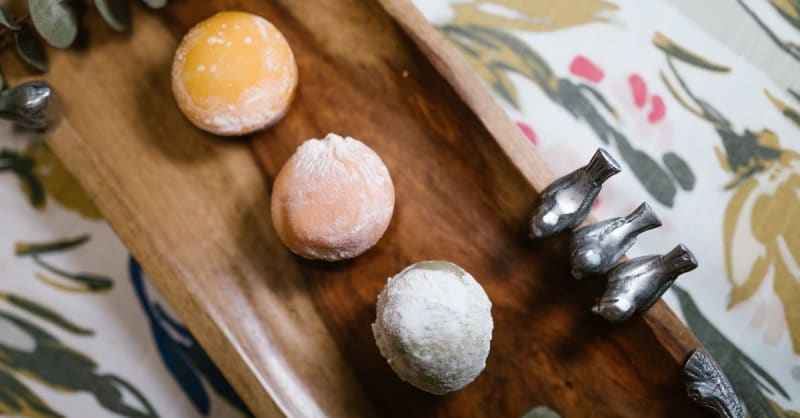
Mochi has a long history in Japanese cuisine, but in American kitchens it usually shows up as a sweet, chewy dessert, a freezer-aisle treat, or a small plated bite after dinner. You might see plain mochi, filled mochi with ice cream or fruit centers, or matcha versions that lean into the wellness trend without actually being a health food.
I've found that most people are surprised by how many forms it takes once they start looking beyond the bakery case.
In the US, brands like My/Mochi, Trader Joe's, and Bubbies have helped make mochi more familiar to shoppers who want a fun dessert that feels different from cookies or cake. Nutritionally, it tends to be low in fat and mostly carbohydrate based, which is why it can work as a quick snack or dessert when you want something small. That said, the ingredient list still matters more than the vibe.
Bottom Line — Is Mochi Gluten Free?
The question 'is Mochi gluten free' has a clear answer -- and it's one worth remembering. Most plain mochi is a good fit for a gluten-free diet, but the safest choice is still the one with a clear label, a simple ingredient list, and no wheat-based add-ins. If you're standing in the freezer aisle, trust the package in front of you more than the dessert trend online.
And if you want a second layer of confidence, check the Celiac Disease Foundation, Beyond Celiac, or your store's gluten-free section before you buy. We can make this easier, one label at a time.
Editorial Process
This article was written and reviewed by the Gluveto Editorial Team for factual accuracy, gluten-free safety, and alignment with current FDA labeling guidance.
We reference trusted organisations including the Celiac Disease Foundation and the FDA when evaluating foods and ingredients.
Frequently Asked Questions
Related Foods to Explore

Is Rice Flour Gluten Free?
is Rice Flour gluten free.

Is Tapioca Gluten Free?
Is Tapioca gluten free.

Is Ice Cream Gluten Free?
Is Ice Cream gluten free.

Is Chocolate Gluten Free?
Is Chocolate gluten free.

Is Cheesecake Gluten Free?
Is Cheesecake gluten free.